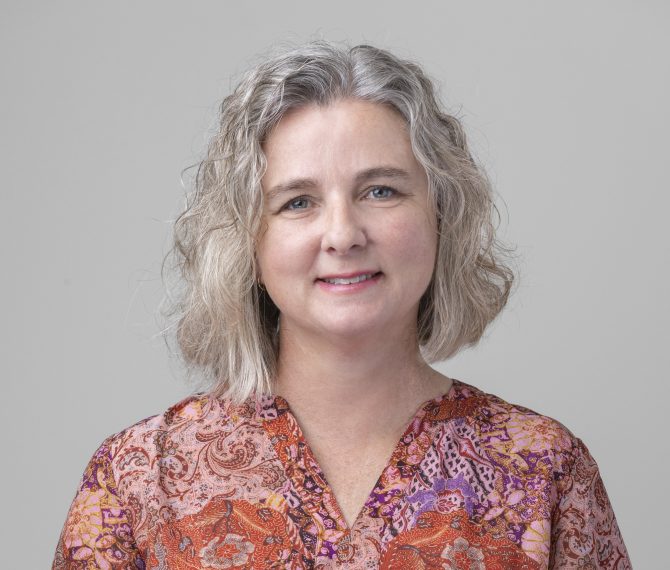
Biosis Cultural Heritage and Rock Art Consultant Samantha Keats
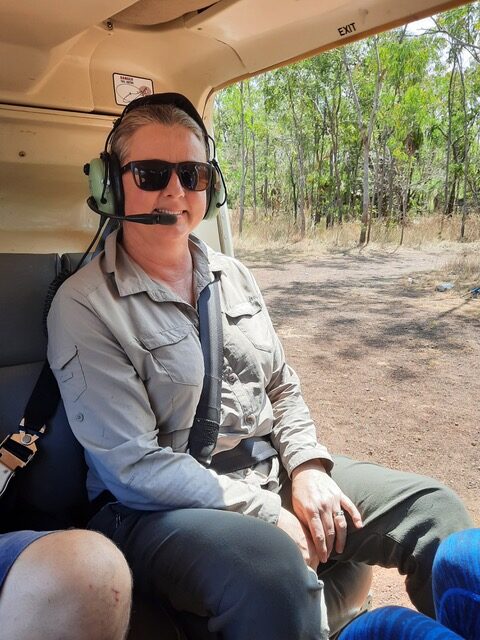
Samantha oversees one of the largest teams of cultural heritage archaeologists and consultants in NSW.
She is a rock art specialist and has shared with us her perspective on the work she does as a heritage consultant in Sydney.
I try to impress on heritage consultants that the work goes deeper than the assessment and excavation work. We develop relationships with our Aboriginal stakeholders and knowledge holders, and through that process we gain a shared understanding of their journey and their ancestor’s journey.
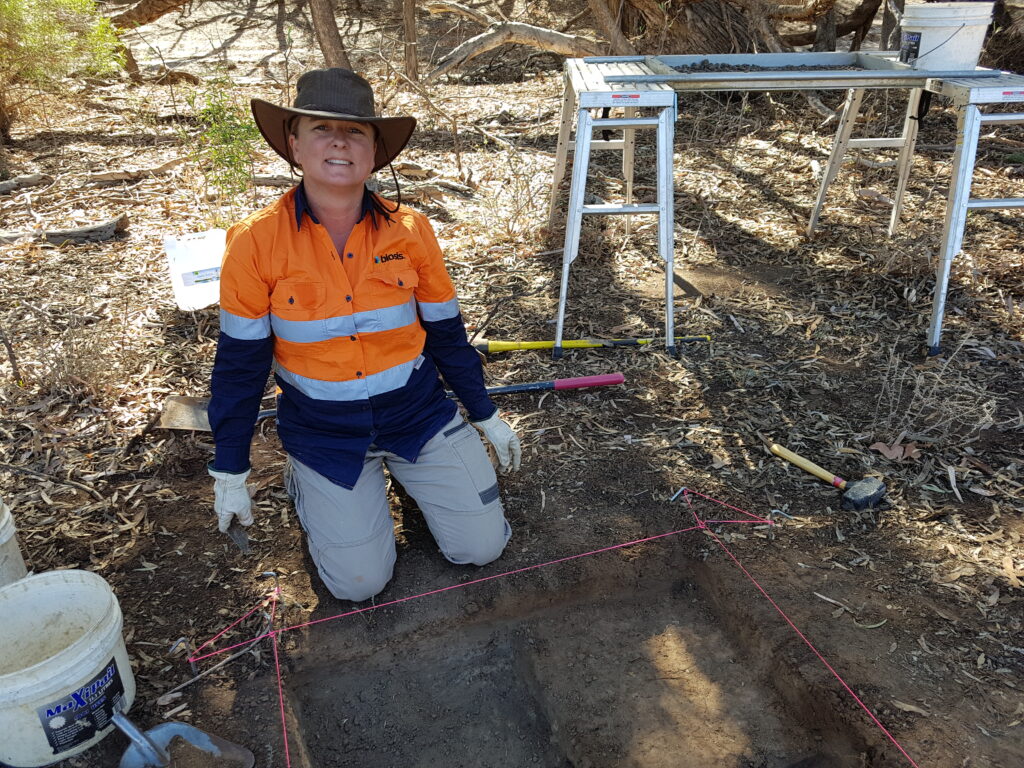
How many artefacts can your teams in NSW sometimes uncover during an Aboriginal Cultural Heritage Assessment excavation?
Artefacts can vary, from a few to tens of thousands. Some of our largest assemblages have recovered well over 30,000 artefacts. It’s dependant on the soil, the landscape, and if the excavation area is close to water. The biggest assemblages have often come from sandy deposits, but it varies a lot.
Why are Aboriginal Cultural Heritage Assessments important to the community partners you work with in NSW?
I work mostly with the Illawarra registered Aboriginal parties, Illawarra Local Aboriginal Land Council and Jerrinja Local Aboriginal Land Council around Jervis Bay. For them, the artefacts are highly significant because they’re a tangible link to their cultural knowledge and history.
Sometimes there’s been a disconnect between the cultural knowledge which would have been passed down between generations, on how to make stone tools or create rock art, so to have these tangible artefacts as a representation of their unique culture is important. We can help explain how the tools or art was likely made based on archaeological studies, and that’s important to them. The artefacts offer insight into hunting practices, known trade routes and lifestyles, which can date back thousands of years. They’re tangible evidence of their continuing presence on Country right up until now too, because we have stone tools dated from deposits of over 10,000 to 200 years.
As a rock art specialist, what locations in NSW have significant recordings of rock art – and how are they interpreted?
Places like the Woronora Plateau (south of the Georges River), Hornsby Plateau and the many plateaus around the Blue Mountains and the Hawkesbury River have significant recordings of rock art. Anywhere where there are rock overhangs, like the Hawkesbury sandstone regions, tend to have a lot of rock art. All the regions across Australia have different levels of quality, dependent on the how the ochre binds with the rock surface. In some cases, it binds better than in other places.
From an archaeologist’s perspective, the motifs are a way to tell stories, to pass on information about the flora and fauna in the region, which when dated can indicate diet or cultural practice, or topographical and climate changes over time. Also, culturally they offer Aboriginal communities’ insight into their creation stories and spirit beings that are often reflected in the rock art, and another piece of significant evidence that can be cross referenced with other historical and oral history records.
Has there been a motif, or piece of rock art that cemented your love and fascination for archaeology?
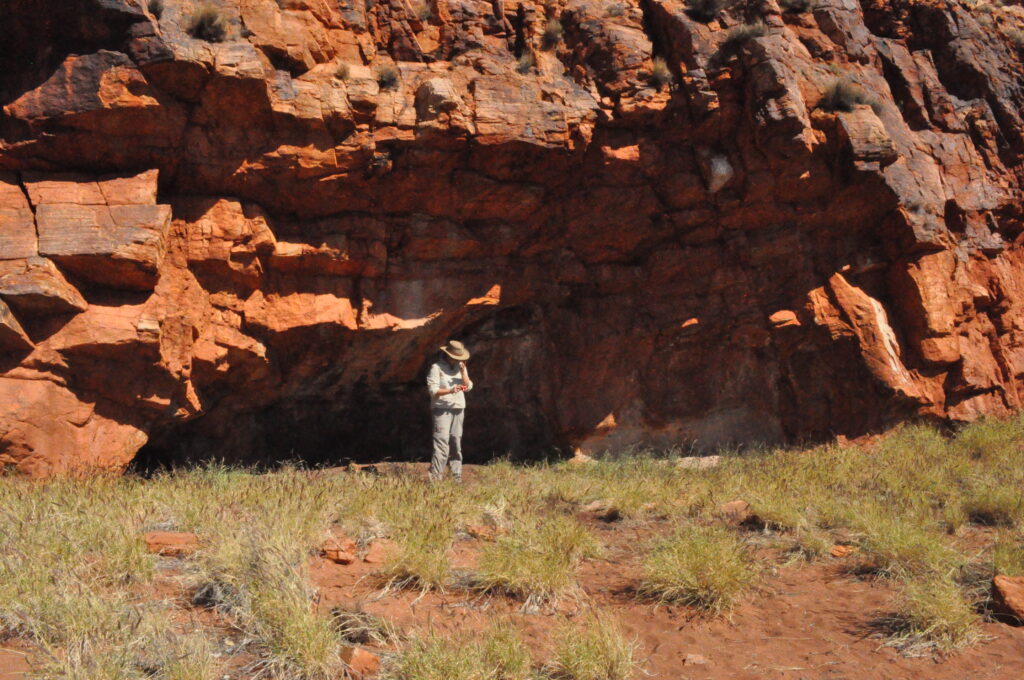
My interest in archaeology came from school, mostly the Egyptian paintings on their tomb walls. I became fascinated by painted history because I’m a painter and, I love art history, and then when I started studying art history and rock art history, particularly Kimberley rock art, I really became hooked on the link between the imagery, motifs and the ‘why’; Why would they have painted that? Why that colour in that location? Why was that important to past Aboriginal cultures?
What are some of the values you try to impress on your team to carry with them when they’re doing this work?
The most important part of our work is to listen to our Aboriginal community partners. If you make a mistake own that, be yourself on site, be authentic. This is a very important process for Australia and the wider community, and we gain the opportunity to see the world through other people’s eyes.
I try to impress on heritage consultants that the work goes deeper than the assessment and excavation work. We develop relationships with our Aboriginal stakeholders and knowledge holders, and through that process we gain a shared understanding of their journey and their ancestor’s journey. They bring an important perspective to the project, they see the landscape as linked together, not isolated, and that helps us view that study location in its wider context.