Survey Process Unveiled for Victorian Grassland Earless Dragon
Victorian Department of Energy, Environment and Climate Action will prioritise Earless Dragon surveys ahead of planning approvals to ensure requirements fulfilled before development begins
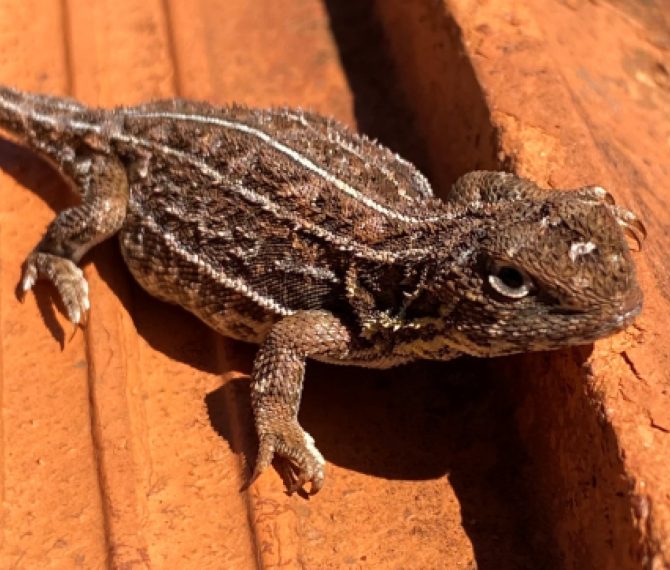
The Victorian Government has released a Prescription under the Melbourne Strategic Assessment (MSA) Program to mitigate impact on the habitat of the Victorian Grassland Earless Dragon Tympanocryptis pinguicolla (VGED) within the MSA Program area.
The Melbourne Strategic Assessment Program focuses on protecting and managing biodiversity in Melbourne’s growth areas. The Victorian Department of Energy, Environment and Climate Action will prioritise Earless Dragon surveys ahead of planning approvals to ensure requirements are fulfilled before development begins.
Thought to be extinct, the Victorian Grassland Earless Dragon (VGED), was rediscovered west of Melbourne in 2023 on Wada wurrung Country. Once a common critter of the grasslands it is now one of Australia’s most critically endangered lizards. The Prescription outlines how the MSA Program will manage any impacts to the species and provides information for landowners and developers about potential habitat assessment and targeted survey requirements.
Who is the Victorian Grassland Earless Dragon Prescription for and where does it apply?
The Prescription applies to sites that fall within the MSA Program area and where a project might have an impact on the habitat of the VGED.
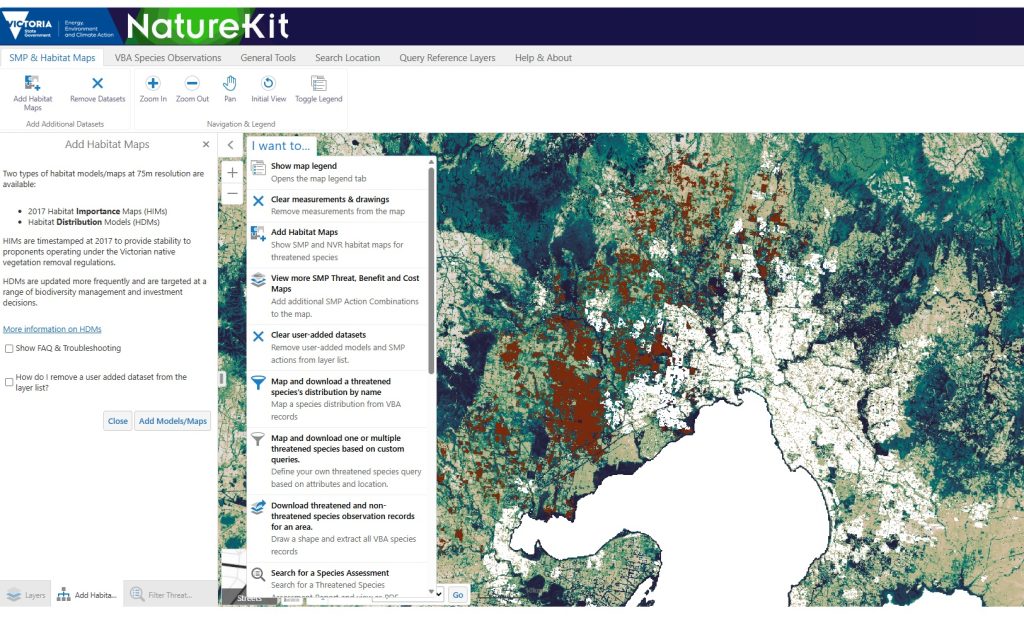
The Department of Energy, Environment and Climate Action (DEECA) has updated the habitat distribution model (HDM) for VGED to depict areas of potential habitat for the species. Importantly, the model does not predict whether the species occurs in the habitat at a particular location, rather the potential.
You can filter on DEECA’s Nature Kit Platform to view the Victorian Grassland Earless Dragon habitat distribution model. For more information
- Click on ‘I want to’
- Search by Species: Victorian Grassland Earless Dragon
What do you have to do?
DEECA will work with the Department of Transport and Planning to deliver VGED habitat assessments and will prioritise conducting any required surveys ahead of planning permit approvals to ensure all requirements are fulfilled before development begins. Targeted surveys will only be conducted where modelled and potential habitat is confirmed.
Look at this Fact Sheet for Developers produced by DEECA to see how they manage this dependant on the status of your project (prior to exhibition, post exhibition or after a permitted permit). In some cases, landowners may choose to do their own surveys with a qualified ecologist familiar with the VGED survey guidelines.
You will be required to show evidence you have completed a habitat assessment and (potentially) a targeted survey for the VGED as part of your Environmental Impact Assessment
Targeted surveys will be conducted where modelled, potential, habitat is confirmed on the ground through the assessment.
When is the optimal time for Victorian Grassland Earless Dragon surveys?
The optimal time for surveys is January to May. Consultation with your ecological consultant and DEECA will be critical to ensure that habitat assessment and any targeted surveys avoid disrupting planning and construction schedules.