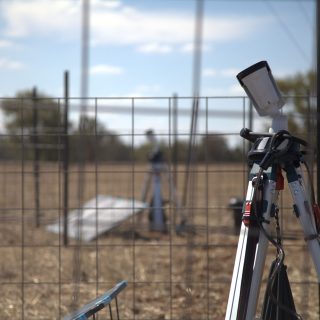
Biosis combines thermal technology and ultrasonic call detection to monitor at-height bat behaviour in Australia
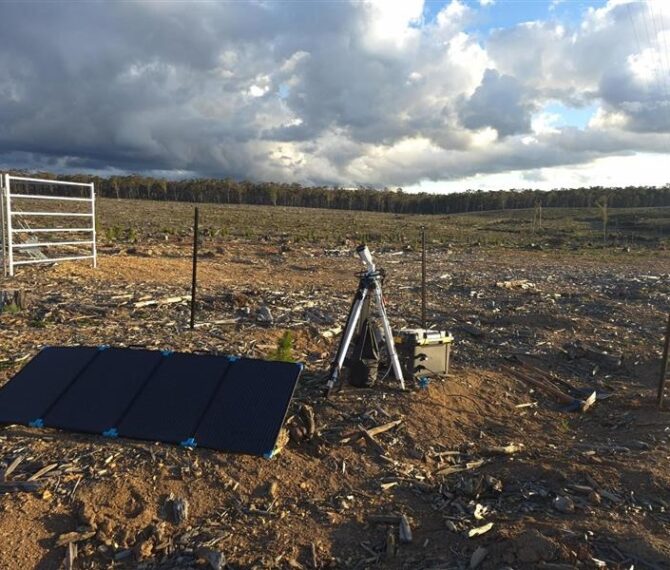
There is a need for more detailed data about microbat flight heights and behaviour in Australia for windfarm sites, the lack of clarity is creating uncertainty during the environmental impact assessment process for wind farms.
To bridge this information gap, Biosis is working in collaboration with international technology partners to apply a new data capture method that will help us better understand nocturnal at-height microbat activity and behaviour for windfarm Bird and Bat Utilisation Surveys. These methods will enable better understanding of microbat collision risk with turbines.
Combining stereo thermal cameras with ultrasonic data and machine learning, bat detections can be mapped into ‘tracks’, and additional information such as flight height, direction and speed can then be calculated. Where tracks match up with ultrasonic data they can then be matched to specific microbat species, allowing species-specific flight height and behaviour to be understood for the first time.
Although a lot of work and innovative data capture methods have been developed to record and model the risk to birds at windfarms, turbines also present a risk to bats, and in particular microbats. Unfortunately, however, identifying bat species and recording their flight behaviour in accurate detail to measure potential environmental impact can be very tricky.
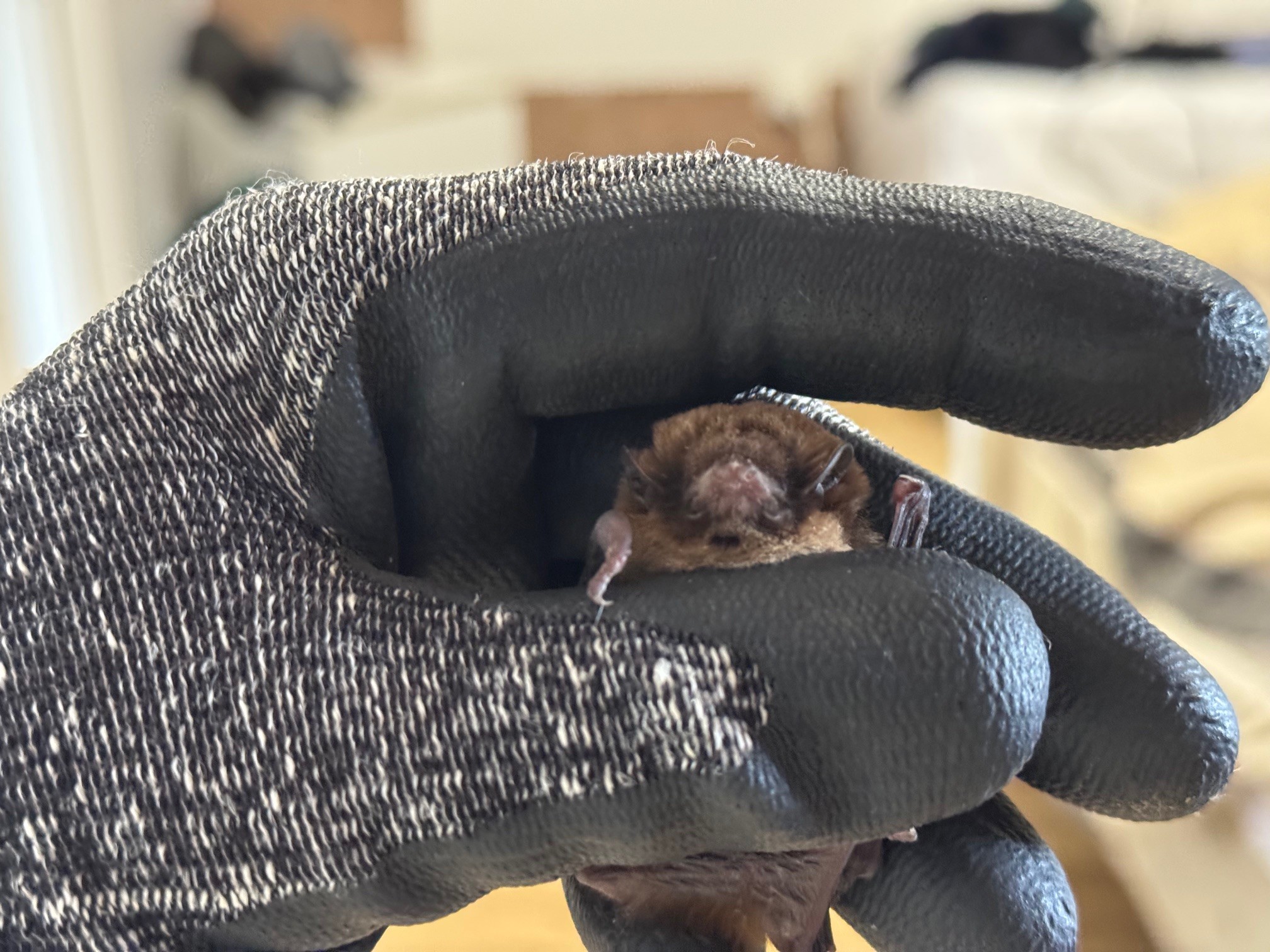
Take, for example, the Eastern Bent-winged Bat, which is a cave-roosting microbat that forms large congregations in a small number of maternity caves during breeding season. Outside the breeding season, the bats disperse across the landscape utilising a network of overwintering caves (caves with stable temperatures). Some roosting caves support large congregations of bats, potentially up to 50,000 individuals.
A wind farm built near a significant roost, could become a key risk to the Eastern Bent-winged Bat and a significant ecological risk for a project, causing potential budget over-runs and timeline delays. Robust data collection including identification of nearby roosting sites and bat behaviour is required to inform an impact assessment on threatened bat species within a project area.
How do Biosis zoologists accurately prepare the assessment?
The current standard method for surveying bats relies on ultrasonic detectors, namely recording and analysing their very high-pitched calls. Unfortunately, in addition to key knowledge gaps, technological limitations also make it hard to identify species, count individuals, or map their flight paths.
For birds, we can see them, identify them, count them, record the height and direction of their flights, and even build models (Collision Risk Models) to estimate how many may be impacted by a wind development. For bats, we can’t see them or count them easily because they fly at night and move very fast, making identification possible but difficult from calls alone (although even if a bat is captured it can be hard to identify some species!). Quantifying impacts is therefore very difficult and often bat specialists must rely on quantitative assessment.
Biosis has set out to find a more nuanced and accurate, evidence-based, method to assist our clients to assess microbat collision risk. Ultimately, our aim is to assist clients to minimise biodiversity impacts while maximising wind farm energy production using data-driven strategies, and our windfarm clients are keen to hear the results.
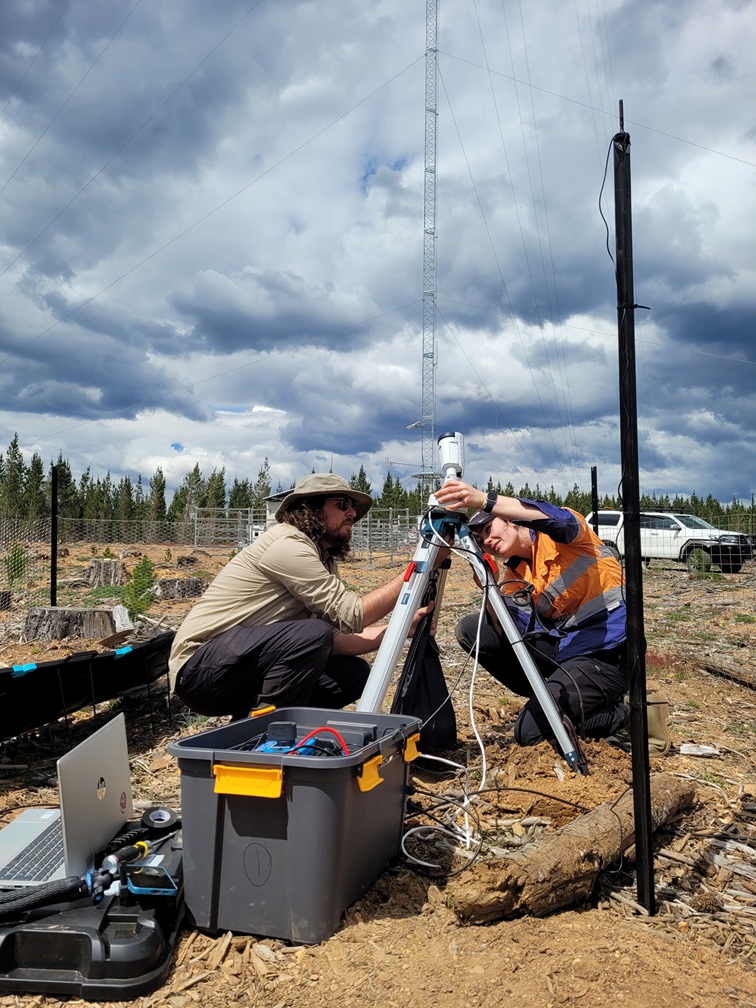
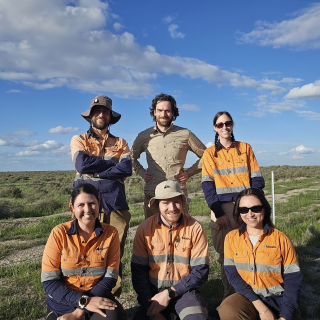
To remedy current survey limitations, Biosis Senior Zoologist (Bat Ecology) Felicity Williams and Technical Ecologist Welsey Hart have been in the field in Western NSW positioning new thermal cameras and installing microphones at 160 metres and 110 metres onto met masts (the towers that measure wind on a wind farm) much higher than we have ever been able to capture ultrasonic bat data before. The data collected from combining the technologies will allow us to more accurately quantify bat behaviour over the night-time period and identify species level data and estimate microbat collision risk. Any data captured can help ecologists work with windfarm developers to design preventative mitigation measures and avoid microbat impact.
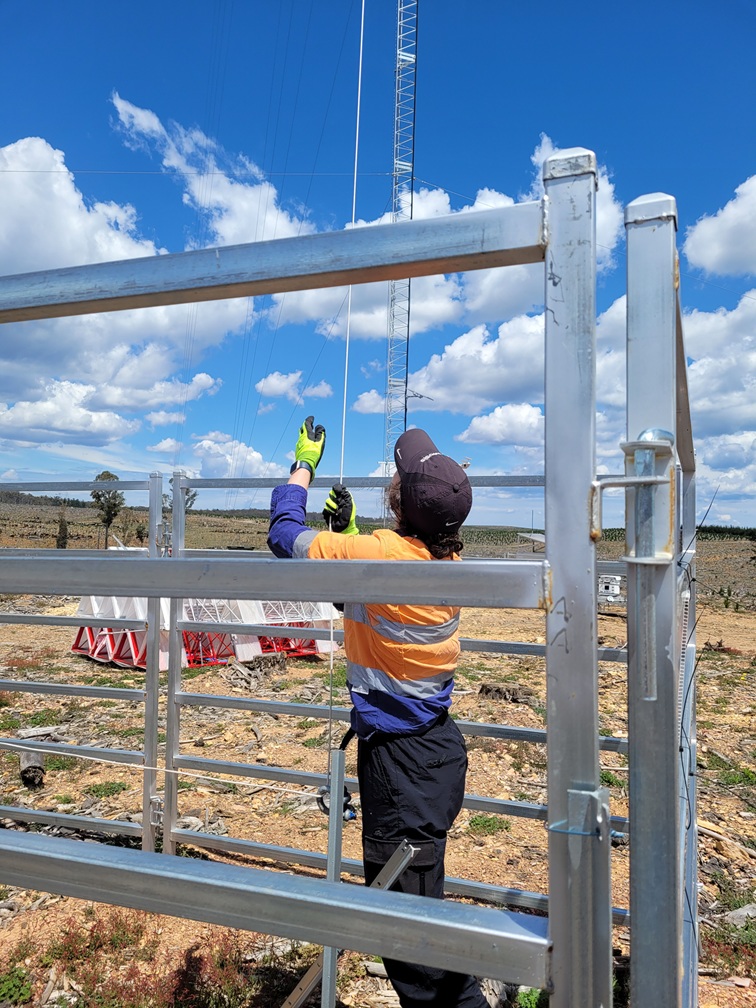
There is currently little published data on microbat flight heights in Australia, and using thermal video is still being trialled following successful application in the USA.
Related News