Biosis teams up with Wildlife Imaging Systems to solve windfarm bat collision quandary
Biosis announces collaboration with international partners, Wildlife Imaging Systems and wind farm operators to more accurately measure microbat flight activity
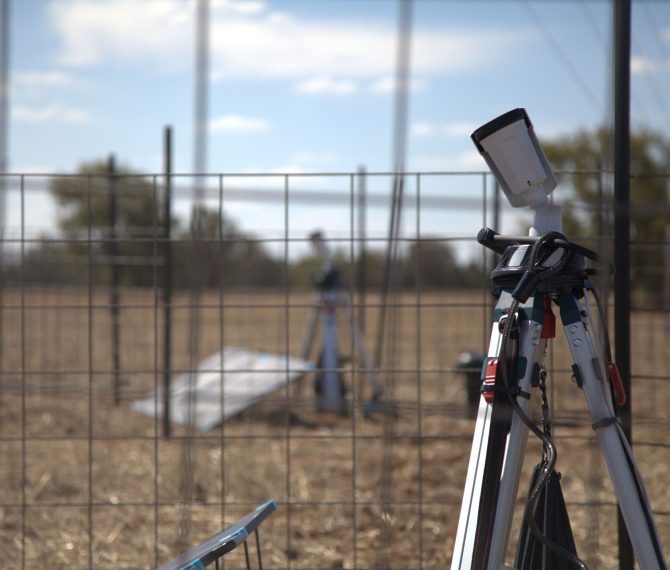
Biosis has partnered with international technology partners Wildlife Imaging Systems, and a number of significant Australian wind farm operators, to more accurately measure microbat flight activity and behaviour to better inform wind farm risk assessments on microbat collision.
There is little data in Australia about microbat flight heights and behaviour, which creates uncertainty during the impact assessment process for regulators when understanding microbat collision risk at new wind farm sites.
Biosis Senior Zoologist Felicity Williams and her team are applying a novel research method to monitor microbat flight activity and behaviour at windfarms.
Combining stereo thermal cameras with machine learning, bat detections can be mapped into 3D ‘tracks’, and additional information such as flight height, direction and speed can be calculated. Where tracks match up with ultrasonic call data identified at the species level, species-specific flight height and the number of bats flying through the project area can be calculated and analysed in ways not previously possible.
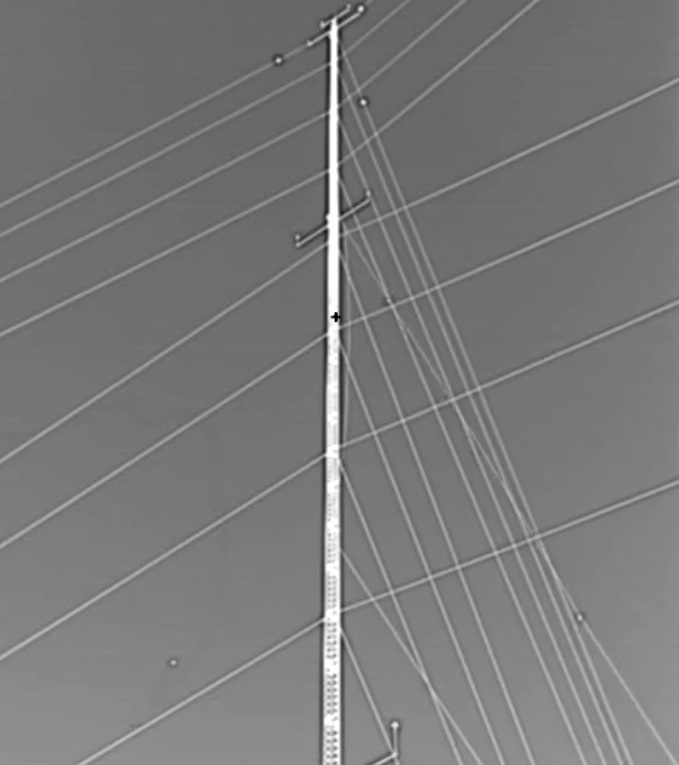
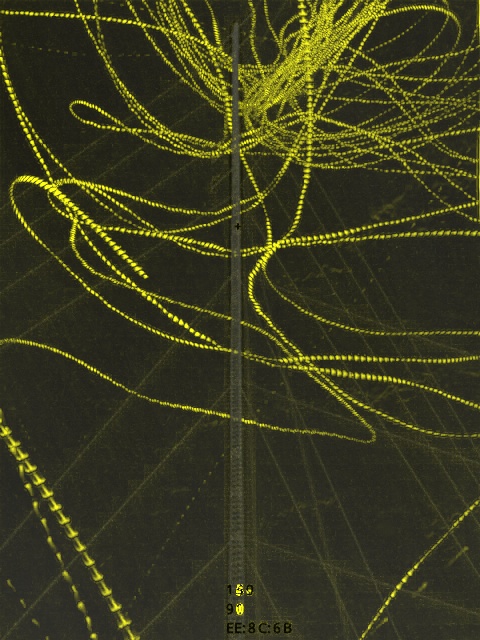
This new method will enable Biosis ecologists to quantify where bats are active in vertical space, how close they fly to the rotor swept area and determine which species are most at risk from turbine collisions. It also allows them to estimate the numbers of bats present at a windfarm site, rather than just the number of calls.
Biosis co-developed the Australian standard for bird (avian) collision risk modelling at wind farm sites and has been servicing the ecology and heritage approval requirements for the renewable industry for over twenty years.