
Biosis ecologists are industry leaders in preparing and implementing Bird (and Bat) Utilisation Surveys (BBUS) to inform Collision Risk Modelling (CRM) for the renewable energy industry.
Biosis ecologists are familiar with the modelling requirements expected of wind farms and can ensure the data captured will calculate the most accurate wind turbine collision risk for birds.
The surveys inform potential operational risks for proposed Wind Farm developments, located anywhere across Australia, including established Renewable Energy Zones (REZ). The objective of a bird and bat utilisation survey (BBUS) program is to collect bird survey data from the proposed project site to determine potential operational risks and future impacts to birds and bats caused by a wind farm development.
The information will inform project layout and design, impact avoidance steps, mitigation measures and planning approvals.
In NSW
The information from a bird (and bat) utilisation survey (BBUS) will also support ecological assessments in accordance with requirements under the NSW Biodiversity Conservation Act 2016 (BC Act), inclusive of Section 8.3.5 of the NSW Biodiversity Assessment Method (BAM) and the Commonwealth Environment Protection and Biodiversity Conservation Act 1999 (EPBC Act).
In Victoria
For major projects, such as wind farms, Victorian planning regulations and approval processes require a comprehensive assessment of potential impacts on state-listed bird species and local wildlife more broadly. In Victoria, this is typically undertaken through the Environment Effects Statement (EES) process for projects with the potential for significant environmental impacts, or a planning permit for smaller projects. These assessments require detailed evaluation of how a project may affect local bird populations, key habitats, breeding and foraging areas, movement or migration pathways, and broader ecosystem values. Demonstrating that bird impacts have been thoroughly assessed and that appropriate mitigation or management measures are proposed is essential for securing state planning approvals.
Seasonal monitoring should continue to capture a full 24-month period of pre-construction surveys, with surveys across all seasons. This is consistent with expectations from the Commonwealth and State governments.
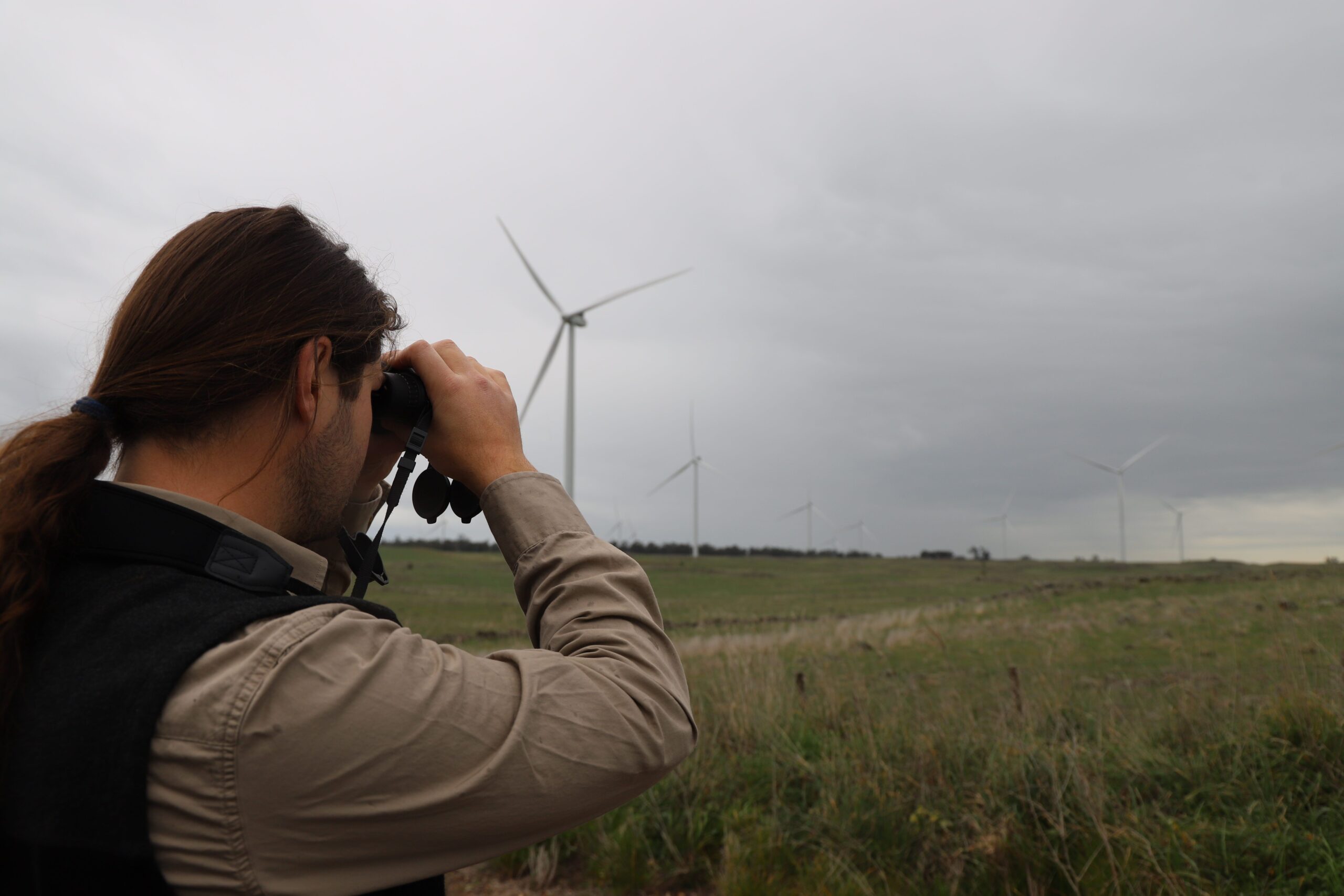
The assessment of birds and bats follows a structured, evidence-based approach developed over many years of designing and implementing impacts assessment studies and operational Bird and Bat Management Plans. This approach reflects extensive experience meeting the requirements of both state and Commonwealth regulators.
Survey Points
To complete the survey Biosis ecologists will identify bird utilisation survey sites (comprising of control and impact points). This can be up to 10 to 30 sites depending on the project size. Impact and control points are based on habitat types aligned to topography and vegetation cover across the project area (e.g. forest, woodland, pasture, natural grassland, wetlands).
Fixed point surveys
The Bird Utilisation Survey method involves fixed-point surveys, which includes one observer stationed at each point for a fixed period. Survey details including the date, start and end times, site location, weather conditions, direction of flight and habitat features of interest are recorded during each survey.
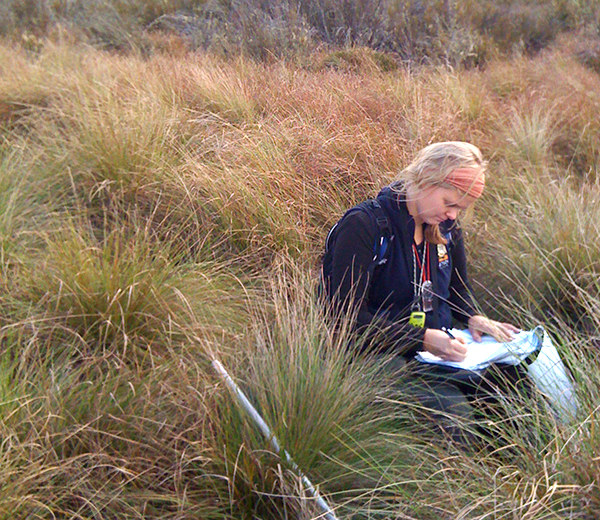
During surveys, observers record all bird activity within a certain radius, including species, numbers, flight behaviour and movement, with each survey point visited multiple times across different times of day each season. This method is aimed to capture seasonal and temporal changes, including migration and species behaviour.
- Study design and methods
- Survey results
- Species identified
- Any threatened or migratory species identified
- Bird guild diversity (e.g. woodland, shorebird, pelagic etc.)
- Bird movements
- Future surveying requirements
- Maps and graphic spatial survey results
- Recommendations regarding mitigation measures, future biodiversity impact assessments and planning for the project.
Bird Utilisation Surveys are typically undertaken across two years to meet current regulatory expectations, but shorter survey programs are possible.
Key Team Members

Mitch Palmer
Manager – Ecology (NSW), Renewable Energy Market Lead - Australia and New Zealand
Mitchell Deaves
General Manager (Victoria)
Sally Mitchell
Team Leader – GIS (Victoria)
Lauren Harley
Team Leader – GIS (NSW)
Callan Wharfe
Principal Ecologist