
Biosis heritage consultants will complete a history of the project site to identify if potential archaeological relics might be present and the HAA will provide management recommendations relating to potential archaeology and outline any constraints for the project.
The HAA is written to meet strict guidelines for Government planning pathways, and assessments are often necessary to meet requirements for Development Applications, State Significant Infrastructure or Development Applications, Review of Environmental Factors and Planning Proposals under the Environmental Planning and Assessment Act 1979 (EP&A Act).
The HAA will also consider the impacts of the project and determine the most appropriate pathway. If the project can limit impacting significant archaeology, an exception permit may be appropriate where test excavations, archaeological monitoring or minor works can be undertaken without a permit. However, if significant archaeology will be majorly impacted, the HAA will be a prerequisite for an excavation permit application, to excavate the site under a methodology prepared specifically for the archaeology.
Assembling a specialist team
In response to a project brief, a team of archaeologists will support a principal consultant so we can combine local experience, historical knowledge and archaeological expertise in the region, to focusing on the type of heritage values that may be at the site.
Our heritage team includes over 60 professional staff across NSW and Victoria providing a network of skills and experience. We have an established track record with over 17,000 projects completed, and our reputation for producing high quality, independent heritage advice and solutions is widely acknowledged.
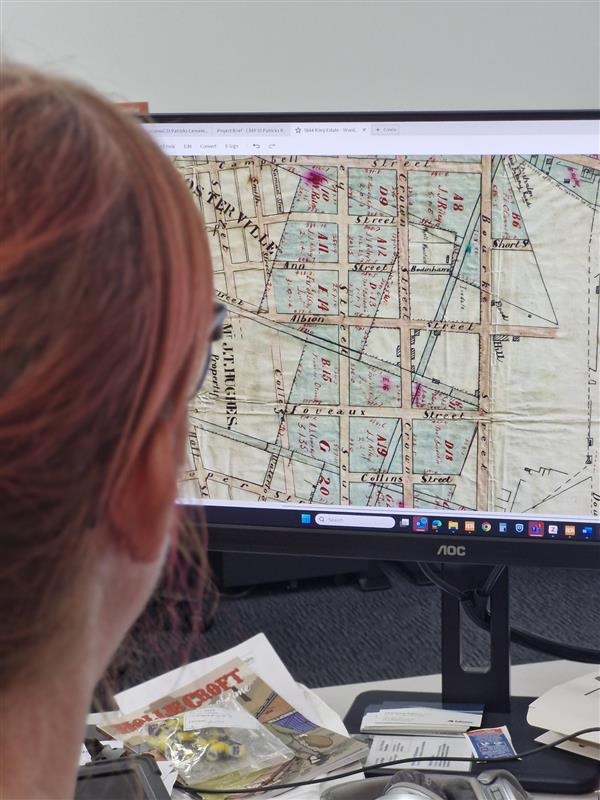
- Biosis will identify known and previously unidentified potential archaeological items through a review of background documents and databases containing information relevant to the site and its surrounds.
- A field investigation will be undertaken to provide accurate detail on any disturbances within the study area.
- The information will be compiled into a report which meets the Archaeological Assessment Guidelines (NSW Heritage Office & DUAP 1996), Assessing Significance for Historical Archaeological Sites and ‘Relics’ (NSW Heritage Branch, Department of Planning 2009) and associated guidelines.
What kind of background research will be done?
Historical analysis is very important in informing the age and significance of any potential archaeology. This is done by reviewing heritage databases, historical maps and land titles, and previous assessments.
What is a field investigation?
A field investigation is a pedestrian survey of the whole project site. An archaeologist will inspect targeted areas that have been identified during background research as having the greatest potential of containing historic archaeology. The investigation will include an assessment of disturbance which will assist with determining the integrity of the potential archaeological resource and significance assessment.
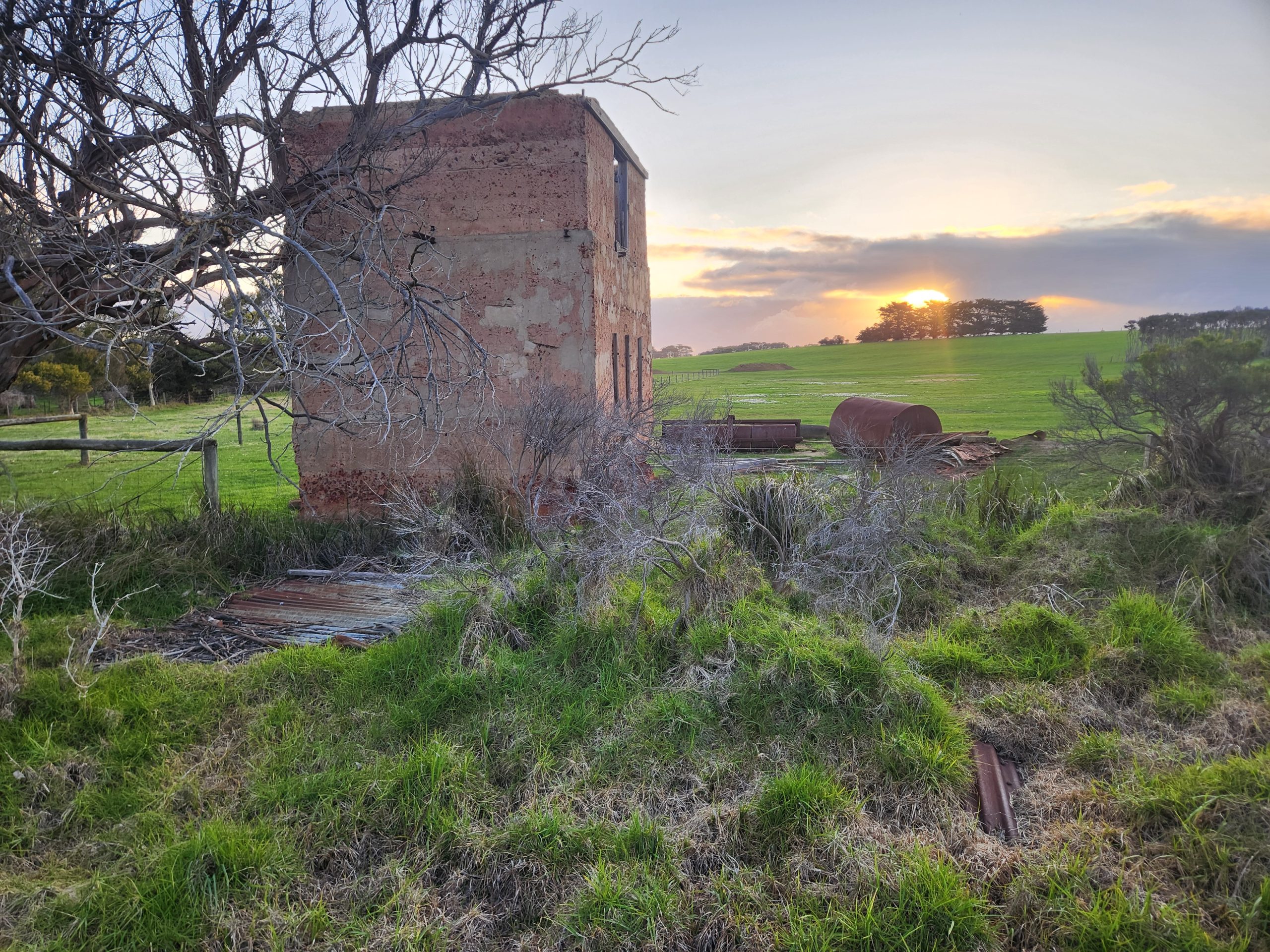
Following the completion of the field investigation a HAA report will be prepared.
The report will consist of the following components:
- A review of heritage listings.
- A brief history of study area to inform the understanding of significance of any potential archaeology within the study area.
- The results of the field investigation.
- An Assessment of Significance will be drafted for the potential historical archaeology within the study area will be prepared.
- A conclusion and any measures to protect potential relics within the study area.