
Biosis senior ecologists currently work with the largest windfarm developers in Australia to prepare their collision risk modelling as part of their environmental impact assessment for onshore and offshore wind farms.
The Biosis Collision Risk Model is a data modelling method used by Biosis on behalf of windfarm developers to predict the risk of local and migrating birds colliding with wind turbines at a proposed development site. It has been applied in Australia for decades and is the preferred bird (avian) collision risk model in Australia, compared to the Band Model.
Biosis senior ecologists currently work with the largest windfarm developers in Australia to analyse and prepare their collision risk modelling as part of their required environmental impact assessments, both for onshore and offshore wind farms.
Biosis ecology consultants provide all services required to meet the requirements of an Australian Avian Collision Risk Model. The Biosis Collision Risk Model is also available as an open-source R package called collision on the GitHub repository.
Expertise. Professionalism.
In the ever changing and complex world of environmental regulations, where goal posts shift constantly, I can always count on Biosis to have my back and provide evidence and experience-based advice to help solve complex development problems and to ensure environmental impacts are avoided and minimised to the greatest extent practicable. The quality of the work produced by the Biosis team and their ability to communicate complex issues efficiently is of the highest standard. I can confidently say Biosis provide some of the best environmental support services in the industry today.
Tim Chan
Res Group
-
-
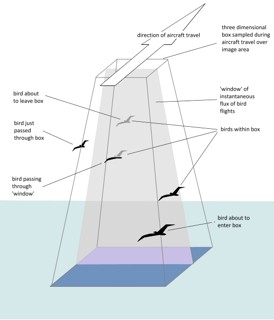
- The Biosis model uses actual bird count data and flight behaviour (two years of bird survey data collected seasonally) to estimate the scale and type of bird flight activity in a proposed windfarm development area.
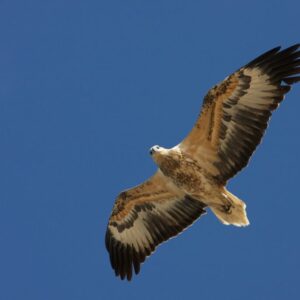
- The Biosis model calculates the risk to both local resident bird populations (like local Wedge-tailed Eagles who may be active throughout the year) and their localised flight patterns, as well as birds that are transiting or migrating through an area during specific seasonal periods.
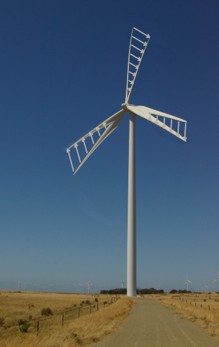
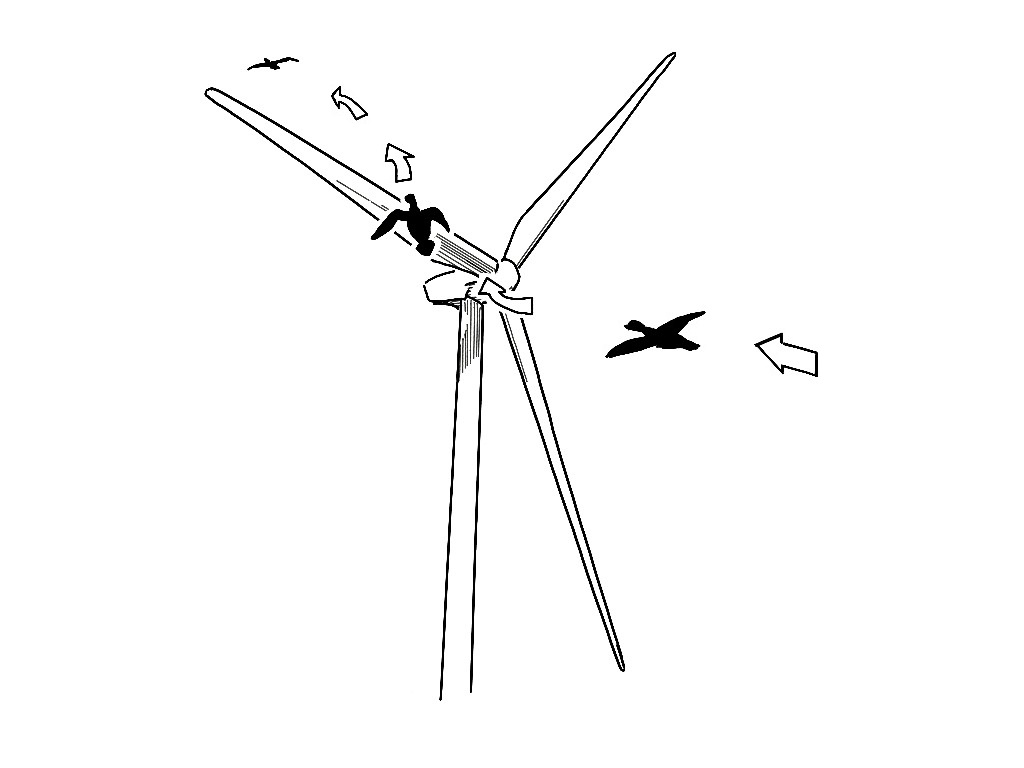
- The Biosis model can also be applied to offshore wind farms and can estimate collision risk for birds that fly below the rotating blade collision zone, which is pertinent to pelagic birds, like short-tailed shearwaters, who fly in large flocks at height levels below the rotor blades but may collide with the very large offshore towers and nacelles.
- Learn more about our Marine Mammal Survey Data Captured for Offshore Wind Project approval with APEM
- Multiple approach angles. The Biosis model accounts for multiple bird flight approach angles by using a mean presented area calculated from all 360 degrees of potential directions a bird could approach from. In contrast, the Band model assumes all bird flights approach perpendicular to the rotor-swept area.
- It’s proven to be accurate. Studies on eagle carcases following wind turbine developments has proven that the collision risk model was accurate in identifying which birds and the number of collisions that occurred.
- The Biosis Collision Risk Model also calculates the number of turbines encountered per flight and will incorporate spatial modelling into future models.
-
Do you Need an Ecologist to Analyse the Collision Risk Output Data?
Yes. Due to the scale of data that needs to be collected from the site of the proposed wind farm (seasonal surveys) a local ecologist needs to be able to supply localised data, and the model requires consultants familiar with the Biosis Collision Risk Model to produce the most accurate result.
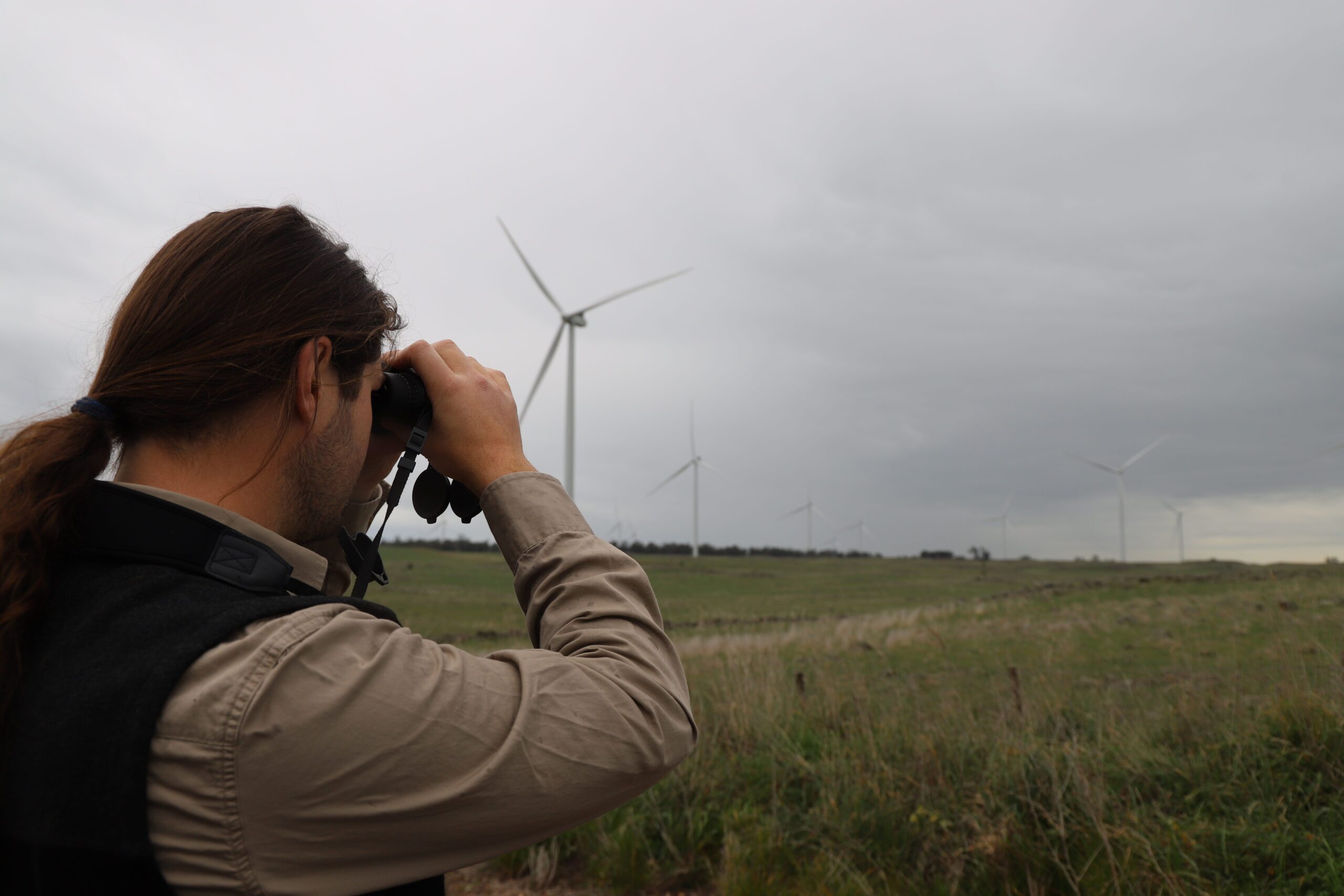
The Biosis Collision Risk Model relies on capturing two years of seasonal data. Biosis employ a range of data capturing methods including Aerial LiDAR remote sensing technology, boat-based and on the ground observational bird surveys to ensure accuracy of the collision prediction and mitigation recommendations.
Biosis Principal Zoologist Ian Smales explains in this video how collision risk modelling assists wind farm developers to satisfy the planning approval process and inform better windfarm design.
- It can inform any significant risk to threatened and local species.
- It can inform ideal turbine heights, blade lengths and models of turbines.
- It can inform the design of the windfarm and position of the turbines.
- It can inform scheduled pauses in activity timed to suit bird flights.
- It can inform windfarm site locations and mitigate risks.
Biosis Principal Zoologist Ian Smales explains in this video how much data is collected to ensure clients get the best results from their collision risk modelling.
Wind Energy and Wildlife Conservation. A Description of the Biosis Model to Assess Risk of Bird Collisions with Wind Turbines
Authored by Ian Smales, Stuart Muir, Chales Meredith and Robert Baird.
Performance of the Biosis wind turbine avian collision risk model evaluated for two species of Australian eagles.
Authored by Ian Smales, 2023.
Background to the model
More than twenty years ago, in partnership with Symbolix Pty Ltd, Biosis developed a mathematical model designed to provide quantified estimates of collision risk for birds. The Biosis Collision Risk Model has continued to be refined and remains the only model developed for this purpose in the southern hemisphere.
For a proposed wind farm the model takes account of the particular geometry, specifications and layout of turbines along with large sets of data for bird flight activity obtained from the site.
Using relevant input parameters, the model provides estimates of the annual number of potential collisions for each species of bird. The model’s estimates closely match actual collisions. So, the model offers wind energy companies and regulatory authorities a sound basis for this aspect of environmental impact assessment for proposed wind farms.
No, bat behaviour is different to birds, and the model cannot be used to estimate bat collisions. Bat collision risk is a service offered by Biosis. Go to our page on Bat surveys for wind farms and speak with our bat collision risk specialist.
A key limitation of the Band collision risk model, unlike the Biosis Collision Risk Model, is that it predicts higher collision risk for faster flight speeds, which is counterintuitive, since a bird flying faster should spend less time in the collision risk zone. the Biosis model estimates the longer a bird species is flying within the collision zone (a slower bird) the greater likelihood of a collision. The Band model only assesses collision risk with only blades rather than the large poles, which can also pose a threat to birds that fly at lower levels, particularly pelagic birds. The Band collision risk model assumes all bird flights approach perpendicular to the rotor-swept area, which is not accurate to bird behaviour.