
Depending on context, a Flora and Fauna Assessment (FA) report can also be called an ecological assessment report, a biodiversity assessment report, an ecological impact assessment, or a flora and fauna impact assessment report.
You may need to prepare a Flora and Fauna Assessment (FFA) Report if your project area contains or is close to native vegetation or other sensitive habitats.
An FFA is commonly required when submitting a Development Application in New South Wales under the Environmental Planning and Assessment Act 1979 and the Biodiversity Conservation Act 2016, when applying for a Planning Permit in Victoria under the Planning and Environment Act 1987 and the native vegetation clearing regulations, or for major project approvals at the Commonwealth level under the Environment Protection and Biodiversity Conservation Act 1999 (EPBC Act).
Assessing the presence or absence of native vegetation or other sensitive habitats may influence the design of your project, informing areas to avoid or to help mitigate impact, so your project can move through the approvals process efficiently.
Key legislation Biosis ecologists work with includes:
- Environment Protection and Biodiversity Conservation Act 1999 (Commonwealth) on the federal level.
- Planning and Environment Act 1987 (Vic).
- Flora and Fauna Guarantee Act 1988 (Vic).
- Biodiversity Conservation Act 2016 in New South Wales.
Ecologists will assess the direct and indirect impacts of your project on biodiversity by recording the presence of fauna and flora at a project site through fauna and flora field surveys, with a particular focus on threatened species and native vegetation.
A Flora and Fauna Assessment from Biosis will include all key requirements:
- An introduction presenting the study area and description of the proposal.
- A presentation of the survey design and methods.
- The survey results detailing a listing of all fauna and flora detected, with a specific focus on mapping rare and threatened species, as well as native vegetation.
- A review of legislation and policy relevant to the project.
- Conclusions and recommendations prepared in accordance with the relevant guidelines, including options to avoid, minimise and offset impacts, and to implement appropriate mitigation measures. (see sample mitigation measures below)
- Biosis has teams spread across all regional towns and major cities in Tasmania, NSW and Victoria, including Melbourne and Sydney, Central Coast, Hunter, Newcastle, Albury, Ballarat, Geelong, Wollongong and Penrith.
- Biosis has an in-house team of GIS spatial mapping specialists to complete preliminary desktop assessments using government and public data sets and will produce high quality maps for all reporting outputs.
- Biosis consultants are experts in zoology and botany across terrestrial (land based), marine, and freshwater habitats and specialise in species specific assessments.
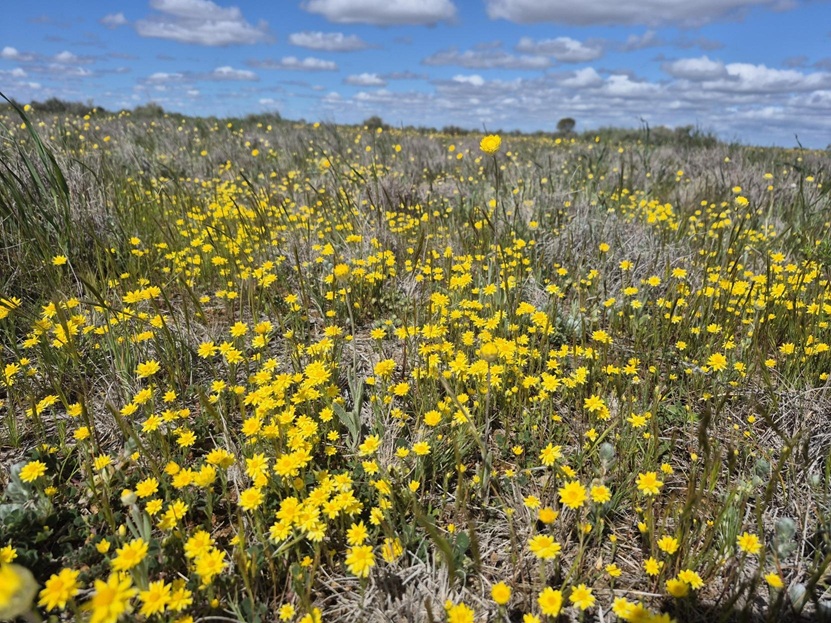
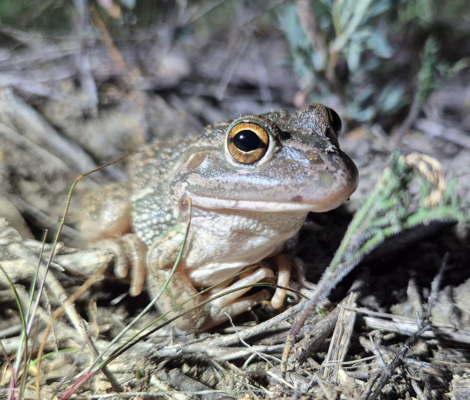
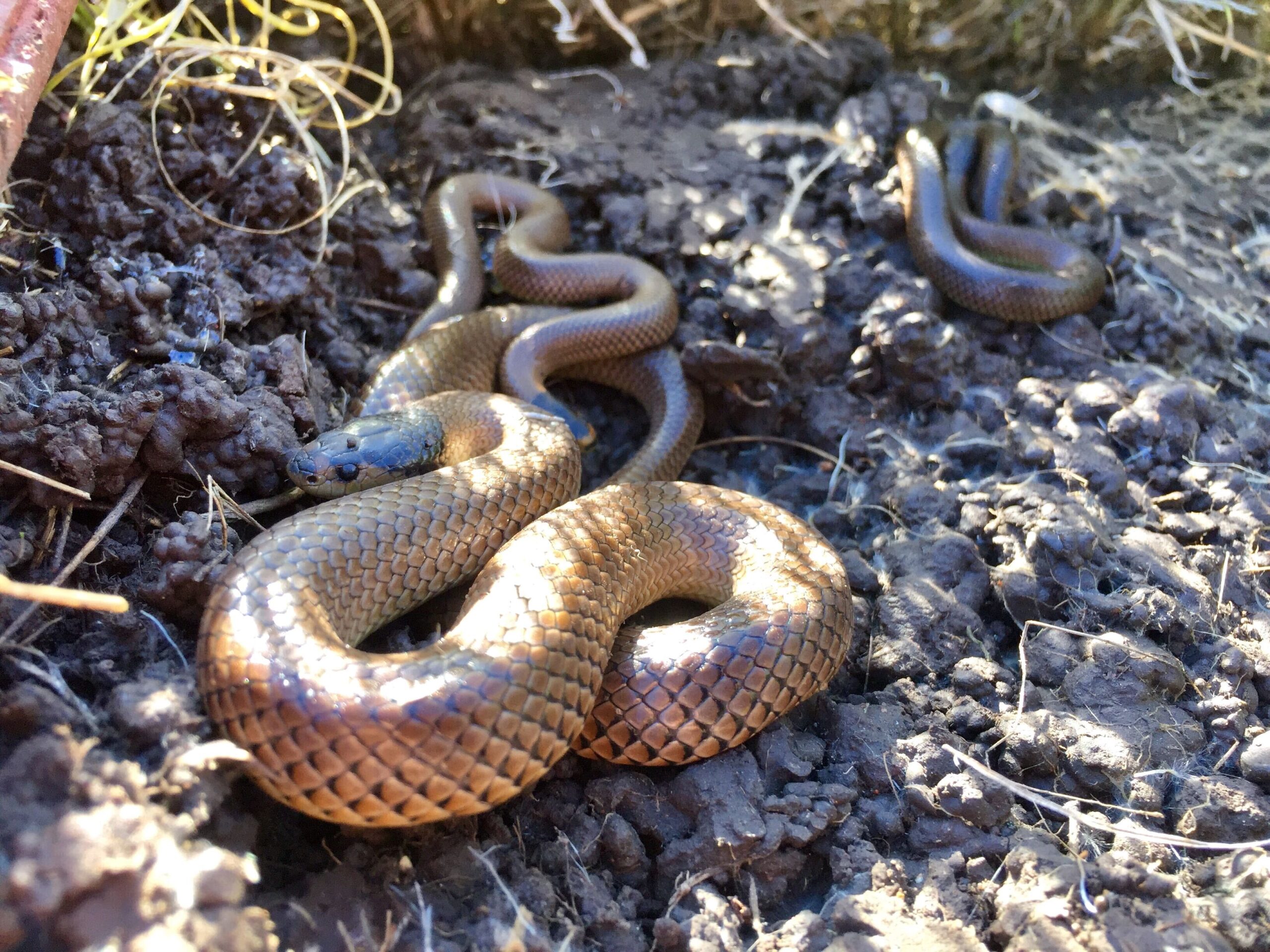
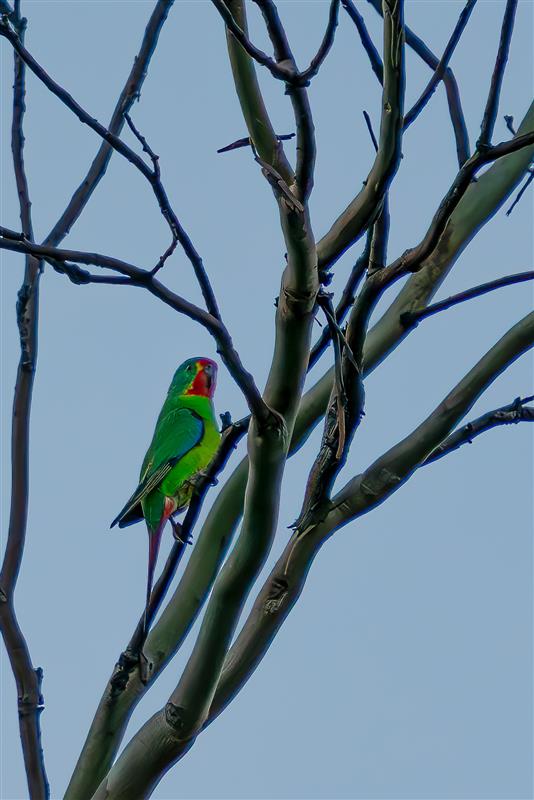
It depends on a few factors. The size of the project and the type of application or permit you’re seeking. Some species can only be identified during Spring and Summer due to seasonal limitations, so the earlier you know which species need to be surveyed the sooner you can schedule the surveys into your project timeline.
Biosis ecology consultants will recommend methods for avoidance, minimisation and mitigation measures which are practical and respond to local, state and Commonwealth regulations.
These may include:
- How to avoid impacting native vegetation, including areas mapped within the NSW Biodiversity Values Map (NSW Department of Planning and Environment).
- Avoid impacts to Threatened Ecological Communities (TEC).
- Avoid removing large native trees, hollow-bearing trees or dead trees with hollows or cavities as they provide vital habitat for native fauna.
- In bushfire-prone areas, locate or orientate your dwelling to maximise the distance between the dwelling and any areas of native vegetation or increase your construction standard to minimise vegetation removal required for defendable space and asset protection zones (APZ).
Mitigation and offsets measures may include:
- Appropriate buffers distances to retained habitats, waterways and wetlands.
- Pre-clearing surveys and clearing supervision.
- Weed and pest management during and after development.
- Sediment and erosion management.
- Nest box installation.
- Replanting trees or revegetating retained habitats and bushland.
The Flora and Fauna Assessment must identify all direct and indirect impacts to biodiversity values associated with the proposal. For example:
- Clearing and modification of vegetation.
- Removal of habitat features such as tree hollows.
- Impacts on, or near, caves and rock outcrops.
- Fragmentation or isolation of habitat.
- Changes to flora and fauna dispersal habitat (i.e. loss of habitat links).
- Soil disturbance.
- Run-off and sedimentation.
- Increased noise, vibration, lighting and traffic in natural areas.
- Demolition or modification of human-made structures used by wildlife (such as old buildings and culverts used by bats).