
Biosis is a leader in conducting targeted surveys for bats, including Bird and Bat Utilisation Surveys (BBUS) in NSW, Victoria and Tasmania
As part of the APEM Group we have ecologists spread across Australia including Hobart, Albury, Hunter, Newcastle, Central Coast, Wollongong, Geelong, Ballarat, Wangaratta, Penrith, Sydney and Melbourne.
The objective of a Bat Utilisation Survey is to collect data about local bat species, particularly the diversity of species, their use of different habitat types and their flight activity at different heights, to determine potential operational risks and future impact on bats and to support relevant ecological assessments.
Bat Utilisation Surveys assess the presence (or absence) of bat species and their identified habitat within a specific area and can be used to compare areas where bat activity is highest and bats may be more at risk. Bat call data is collected by combining thermal camera imaging and ultrasonic call detectors Biosis has technical experts skilled in bat call analysis, and sophisticated processes for managing and processing the large datasets generated from a BBUS survey.
BBUS surveys (Bird and Bat Utilisation Surveys) are specific to the wind farm industry because they provide important data to inform risk assessments for bat species and their populations, including potential operational risks associated with wind farms, and supports planning approvals and the development of operational Bird and Bat Adaptive Management Plans (BBAMP).
- Under the Environment Protection and Biodiversity Conservation Act 1999 (EPBC Act), developments that may impact nationally threatened bat species must assess potential impacts as part of the environmental assessment or approval process. This applies where a project may affect bat habitat or flight paths, or where threatened bat species are known or likely to occur.
- For major projects, such as wind farms, state planning regulations and approval processes require a comprehensive assessment of potential impacts on state-listed bat species and their habitats. In Victoria, this often occurs through the Environment Effects Statement (EES) process, while in New South Wales it is addressed through Environmental Impact Statements (EIS) prepared under the state’s major project assessment pathways. These processes require detailed evaluation of how a project may affect local bat populations, key habitats, roosting and foraging areas, and movement corridors, as well as broader ecosystem values. Demonstrating that bat impacts have been appropriately assessed and that suitable mitigation or management measures are proposed is essential for securing both state and Commonwealth planning approvals.
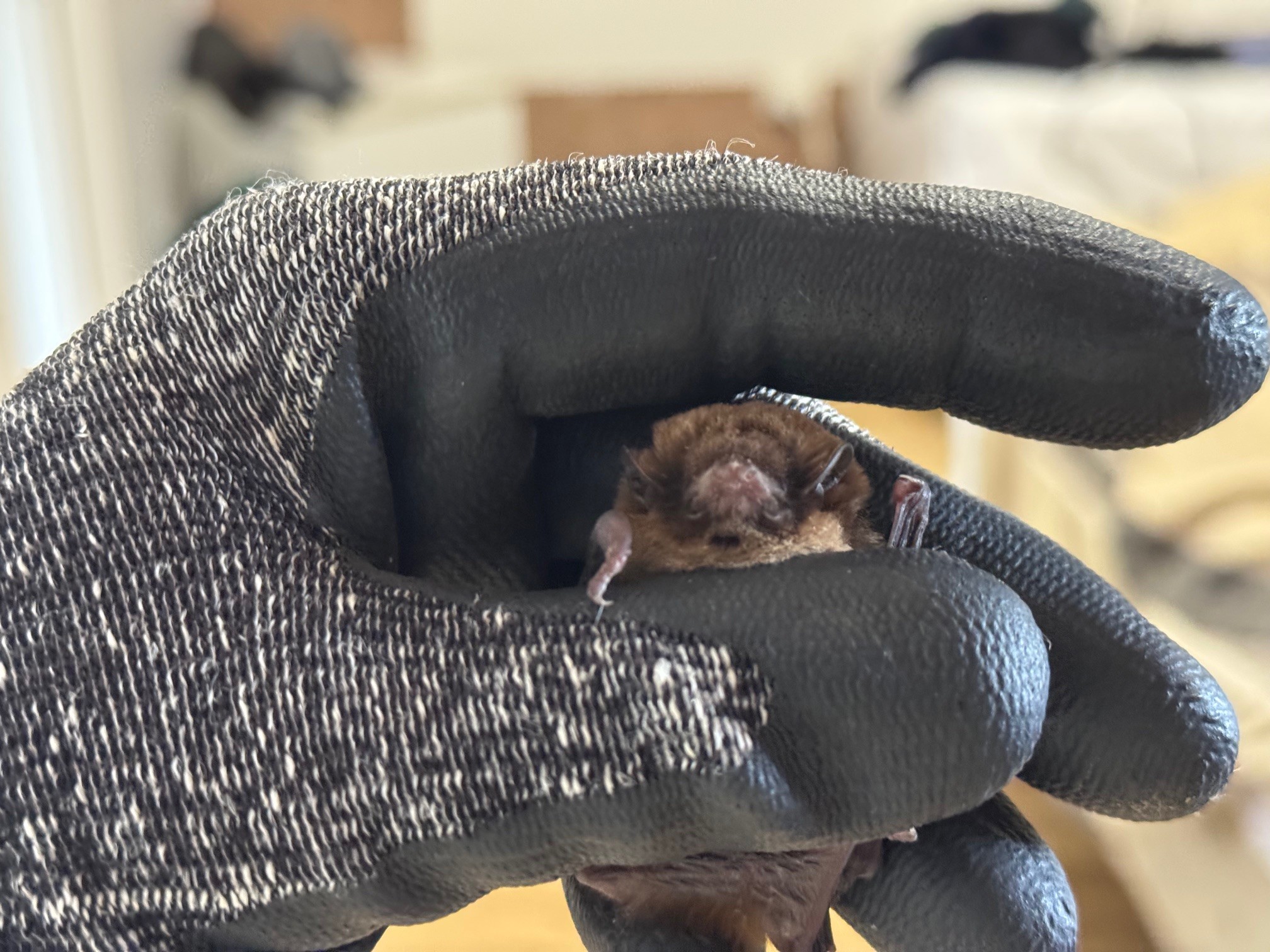
- Biosis is a leader in the application of bat survey methods that improve the accuracy of bat survey outcomes.
- Biosis employs some of Australia’s leading consultant ecologists with significant expertise in bat ecology and microbat call identification.
- Biosis regularly reviews the use of new technology for advancing our survey methods and improving the accuracy of bat impact assessments.
- Biosis has an in-house team of GIS spatial mapping specialists to complete quick desktop assessments across government data sets.
- Biosis project management teams will ensure your report meets the mandatory reporting guidelines set out by the Government.
- Biosis has teams spread across regional and urban parts of Tasmania, NSW and Victoria, but APEM Group can service all of Australia.
- Biosis has been a leader in the field of environmental assessments for 40 years in Victoria and NSW.
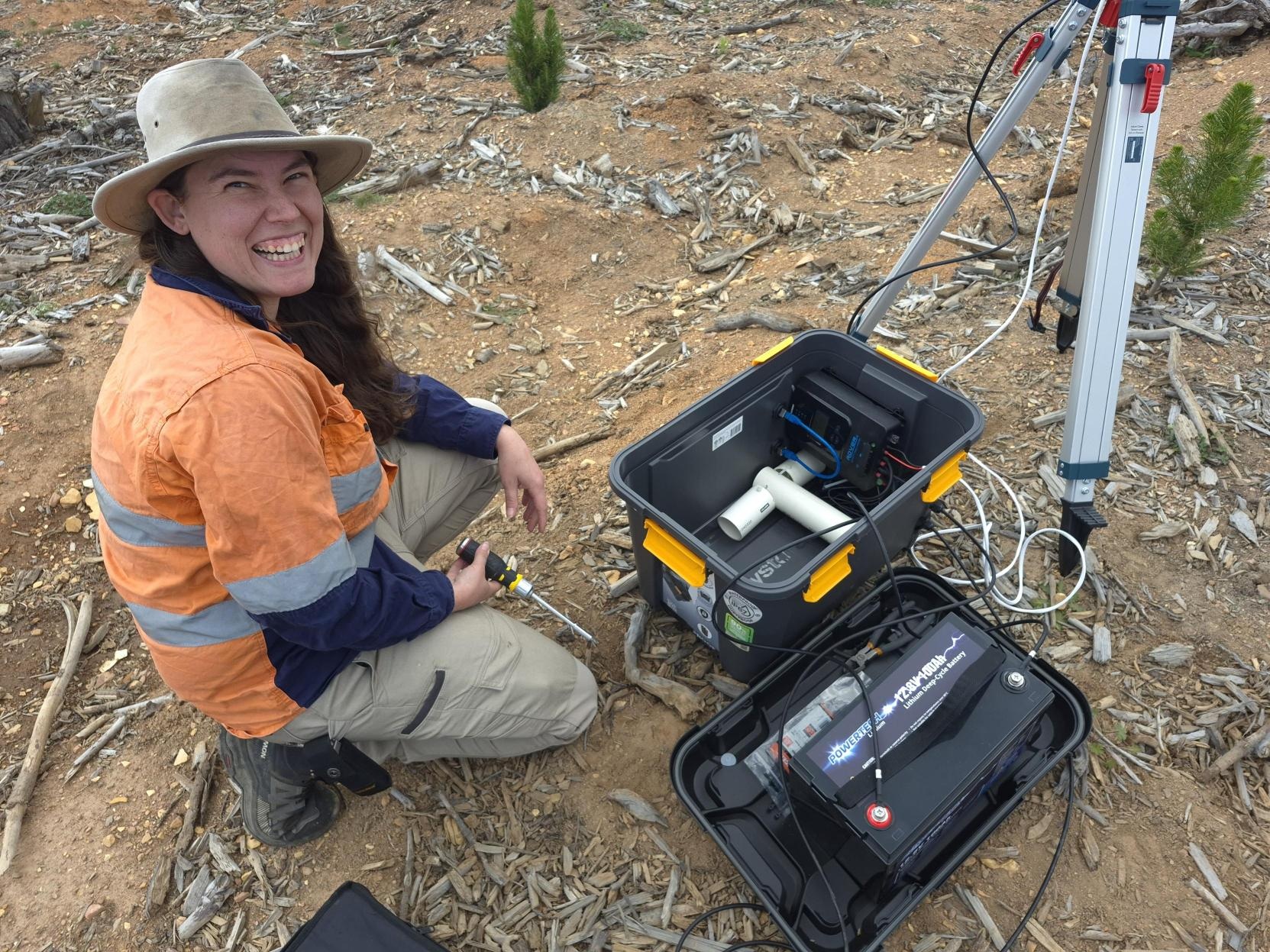
- Ultrasonic monitoring:
- Fixed points surveys using full spectrum ultrasonic bat detectors fitted with omnidirectional microphones.
- mounted on a meteorological mast (met mast) or similar structure for height data.
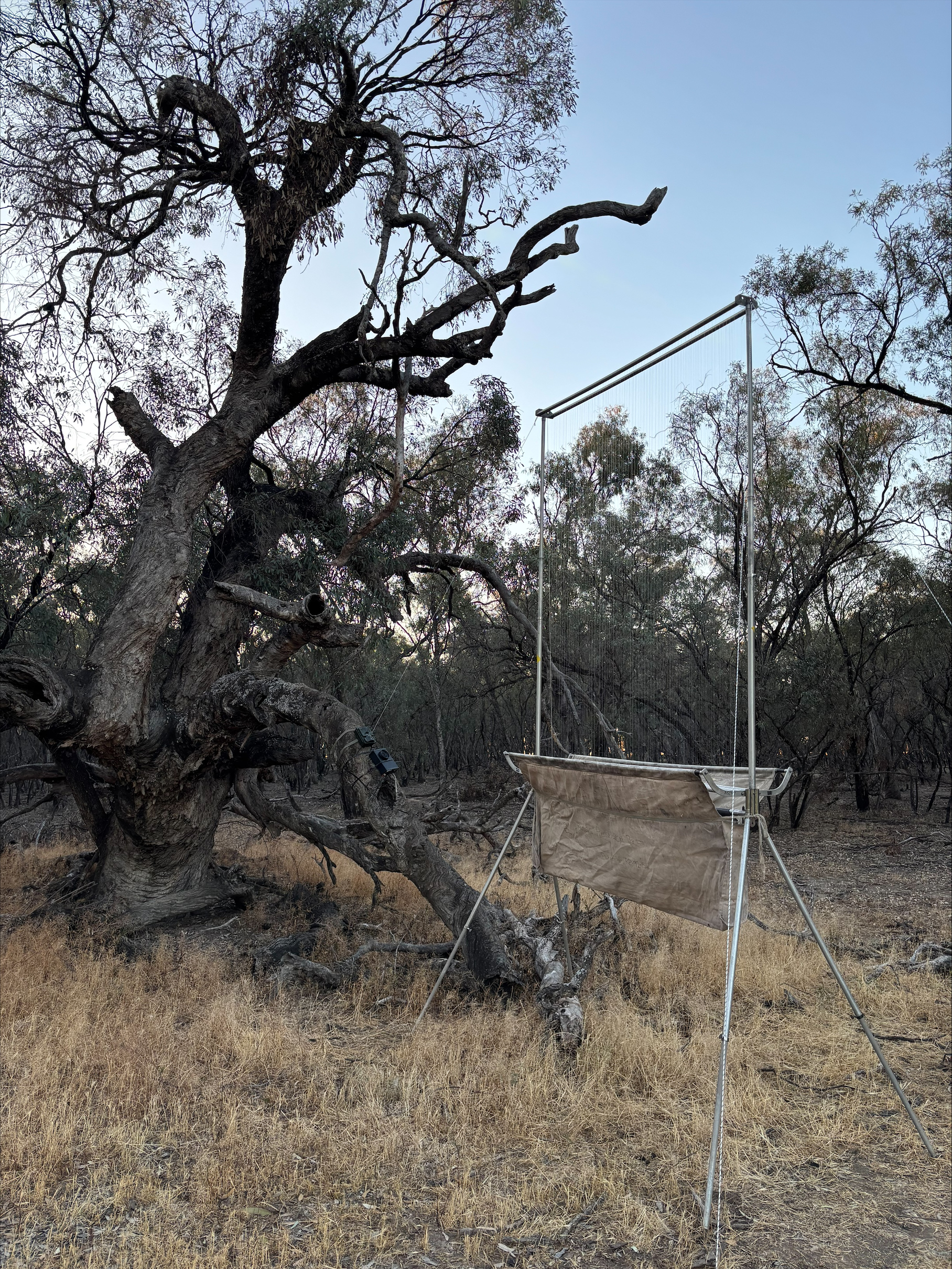
- Active surveys collecting transect information or potential roosting habitat.
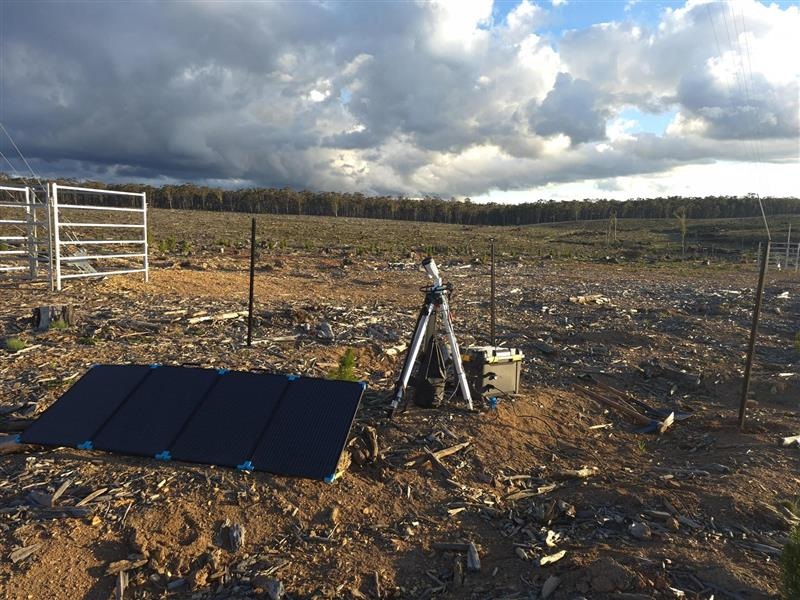
- Thermal video capture: Biosis is partnering with international collaborators to install stereo thermal cameras and record videos of moving objects to rapidly identify bat tracks.
- Locating and inspecting roosts or potential roosting habitat using desktop assessment, visual inspections and exit counts combined with ultrasonic detectors or thermal cameras.
- Biosis will complete a desktop study of the project site.
- Design a survey to match species type and habitat.
- Complete the survey, in accordance with relevant guidelines.
- Review the data and analyze the call data.
- Provide you with insights and recommendations on how to proceed and mitigate impact.
- Provide regulatory authorities with the necessary details they need to assess your proposed development application.
Bats are active at night, especially during the warmer months (spring to autumn), so it is necessary to complete surveys during specific seasons of the year. In NSW, the Biodiversity Assessment Method prescribes the survey timing and effort required to determine likely presence or absence of threatened microbat species.
Additionally, for wind farm projects, standard assessment requirements include conducting surveys across all seasons over a two-year period. Field surveys must be completed for each season before a development application can be lodged.
Contact our ecology team to discuss your property and get a preliminary quote and desktop assessment done.
Key Team Members

Felicity Williams
Senior Zoologist - Bat Ecology
Mitch Palmer
Technical Director - Ecology, Renewable Energy Market Lead - Australia and New Zealand
Mark Venosta
Principal Zoologist