Biosis offers end-to-end services delivering Aboriginal consultation, archaeological excavations and salvage work. From preparing your due diligence assessment to obtaining excavation permits, we undertake fieldwork, analyse artefacts and write high quality reports for all stages of the planning approvals process.
With offices in Sydney, Western Sydney, Penrith, Central Coast, Wollongong, Newcastle, Melbourne, Ballarat, Geelong and Albury, Biosis staff cover a wide geographical area and possess excellent local knowledge of archaeological issues relevant to your region.
We follow best conservation practices and operate under the Code of Practice for Archaeological Investigation of Aboriginal Objects in NSW, the guidelines of the Aboriginal Heritage Act 2006 (Victoria), Aboriginal Heritage Regulations 2018 (Victoria) and the Ethos of the Australia – International Council on Monuments and Sites (ICOMOS) Burra Charter and provide a wide range of expert knowledge.
With more than 40 years of experience, Biosis has developed a long-standing relationship with Representative Aboriginal Parties (RAPs) and Traditional Owners, who must always be on site during excavations.
A survey (which can also be called a field investigation or Standard Assessment) involves walking in systematic transects across the landscape and making a record of what is visible on the surface, while excavation (sometimes referred to as Complex Assessment) involves digging down through stratigraphic layers to identify artefacts, other types of Aboriginal places or sites or whatever your site may contain.
Both need to be undertaken by a heritage professional and aim to ensure the protection of heritage.
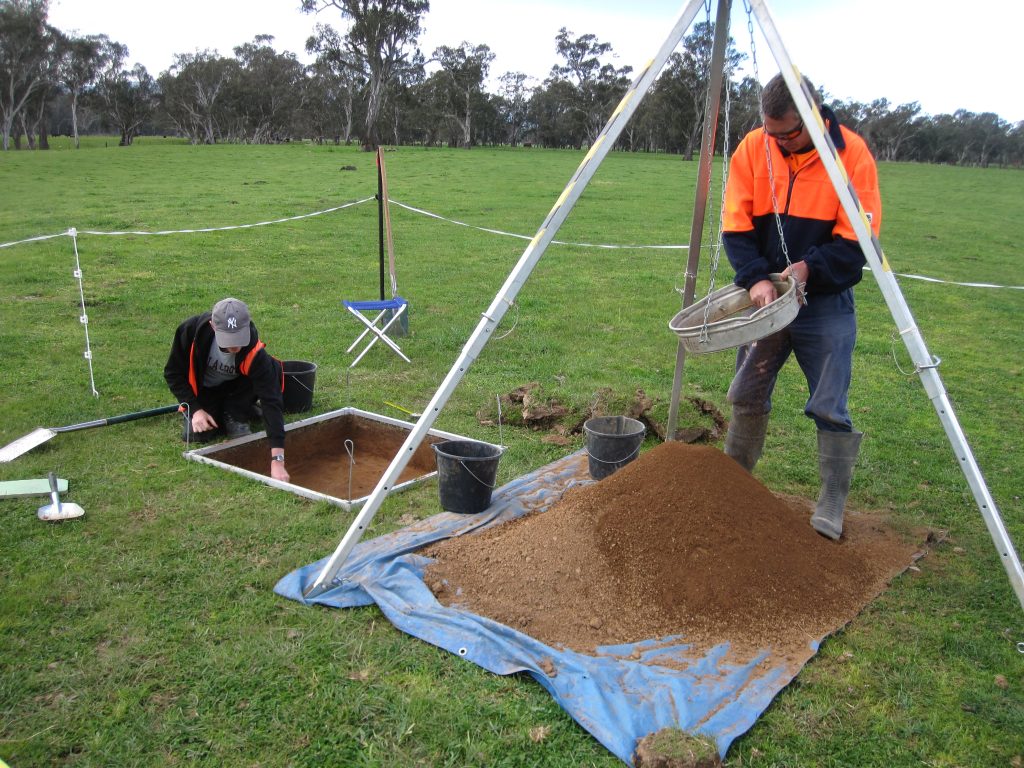
After completing background research, Biosis heritage consultants will conduct a survey or field investigation on the site of your proposed works. The field investigation aims to conduct a systematic survey of the study area, targeting with the potential for Aboriginal heritage. If areas of potential are identified and cannot be avoided by the proposed works, Biosis heritage consultants will conduct excavations to test the landscape and establish a better understanding of the potential archaeology within the site.
Biosis will provide you with an excavation report after the excavations have been completed to ensure compliance with the relevant legislation guidelines. If something is identified during test excavations and warrants further investigation (for example, if a test pit contains a higher-than-expected density of artefacts for that region), you may be required to avoid these locations or undertake salvage excavation under an excavation permit or an approved Cultural Heritage Management Plan (CHMP).
Biosis can also provide support and expertise for these processes.
All archaeological excavation permits or approved CHMPs require a post-excavation report including an artefact catalogue and artefact reports (by category, where relevant), along with context sheets, photo logs, plans, and associated documentation.
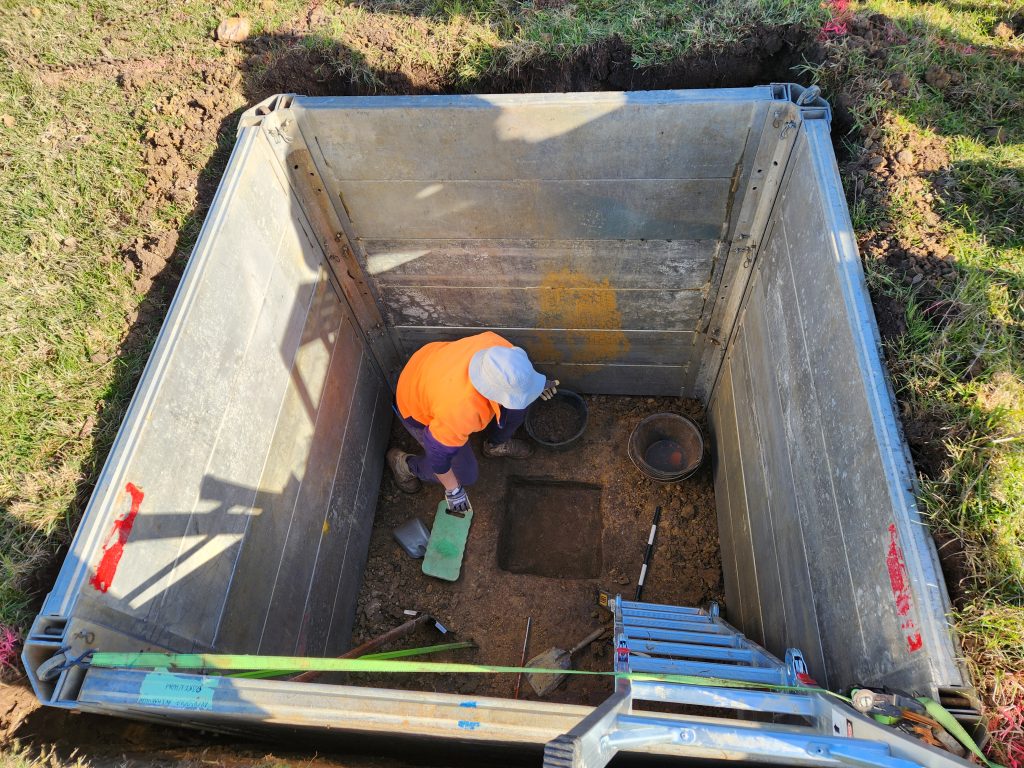
After the excavations, Biosis consultants will include expert artefact analysis in their reports, addressing the following themes:
- Artefact assemblage composition
- Spatial distribution
- Material and form
The purpose of artefact analysis is dual: to assess the significance of the artefacts, which is necessary for their conservation and to inform the planning of the proposed works, and to uncover information about the site history.
For instance, if lithics have been found during excavations, our consultants will provide analysis to understand stone tool procurement and use within the study area.
Biosis teams possess highly specialised knowledge. Our experts include:
- Lithics
- Midden/marine zooarcheology
- Rock art
This expertise, combined with Biosis’s broad geographic reach thanks to its many offices, ensures efficiency in the delivery of the excavations while respecting the Aboriginal community and the archaeological record of the study area.
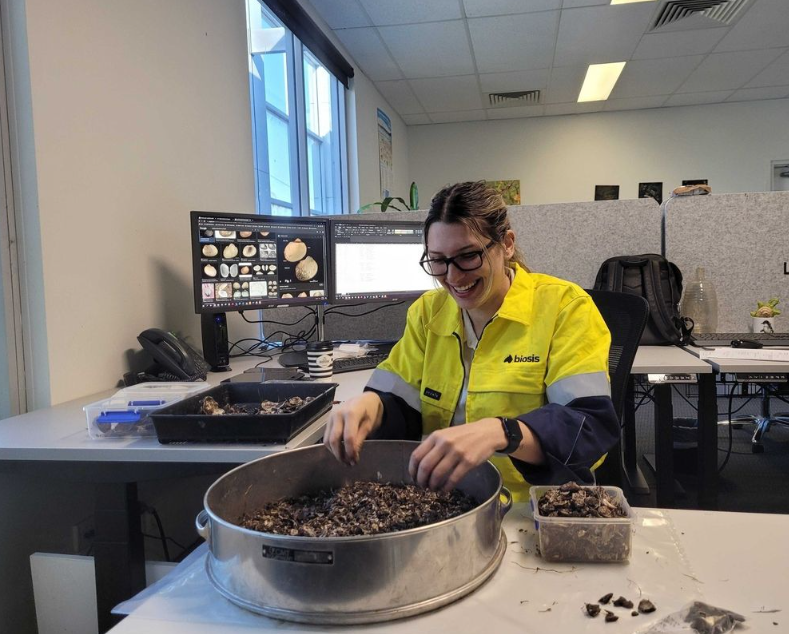
At Biosis, we also support you through the final stage of the process: artefact conservation and repatriation. Across every method we use, Biosis applies the highest possible standards of care to safeguard artefacts and heritage objects.
Biosis consultants have extensive experience delivering a range of culturally appropriate outcomes, including:
- Reburial on Country: returning artefacts to the landscape, with our team ensuring they are respectfully reburied close to their original location in an area that will remain undisturbed, such as gardens, riparian zones, or other protected settings.
- Care and Control Agreements (NSW): formal arrangements established between the client and the Local Aboriginal Land Council (LALC) or RAP, enabling the transfer of ownership and ongoing custodianship of artefacts to the LALC or RAP group.
Additionally, Biosis also provides services and can provide expert guidance on how to include heritage in your project planning. This can be done by displaying the artefacts in the building or the area that you are developing, for instance.
Key Team Members
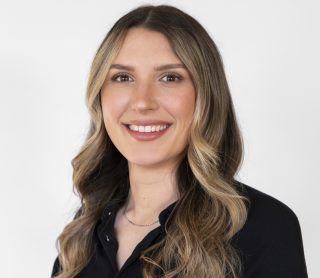
Crystal Garabedian
Business Development Coordinator and Senior Heritage Consultant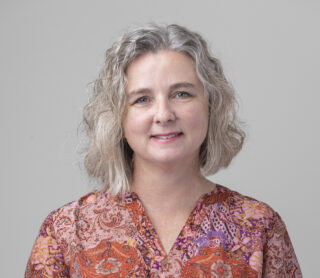
Samantha Keats
Manager – Heritage (NSW)