Golden Sun Moth Season – Targeted Fauna and Flora Surveys
In late spring and early summer Biosis ecologists conduct targeted species surveys for the threatened Golden Sun Moth, Synemon plana.
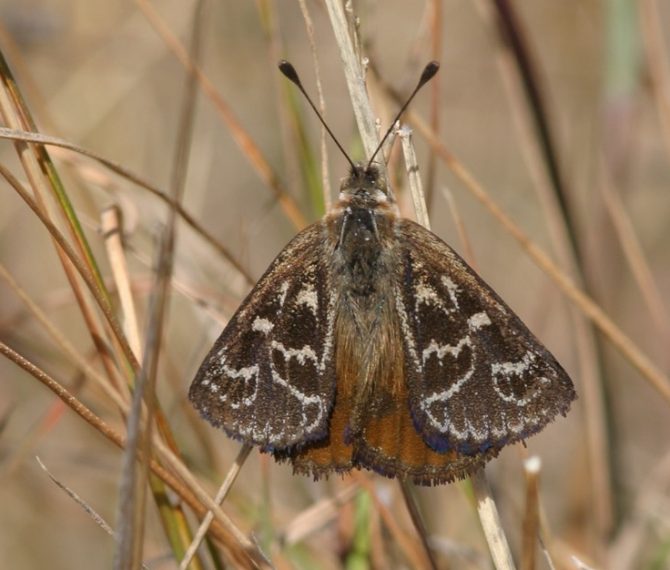
This illusive creature requires our zoologists to wander through the grasslands of Victoria and the A.C.T to see if they can locate the distinctive orange hindwings and black spots of a female Sun Moth at the base of a grass tussock or spotting the males flying in a zig zag pattern trying to show off their grey patterned wings. The 3 centimetres Sun Moth has clubbed antennae and might be seen making flight anywhere from mid-October to January.
Where do Golden Sun Moth’s occur?
Native grasslands and grassy woodlands, particularly low and open grasslands that are dominated by Wallaby Grass, but they will also use non-native grasses. The bare ground between the tussocks is typically the areas which the females are observed displaying their flutter to attract males and laying their eggs (150!).
Random Golden Sun Moth Fun Facts
- They only live for a few days, but in concentrated numbers.
- They fly over a short distance (100 metres).
- They plant their larvae in the Wallaby Grass.
- Moths are important food source for lots of animals.
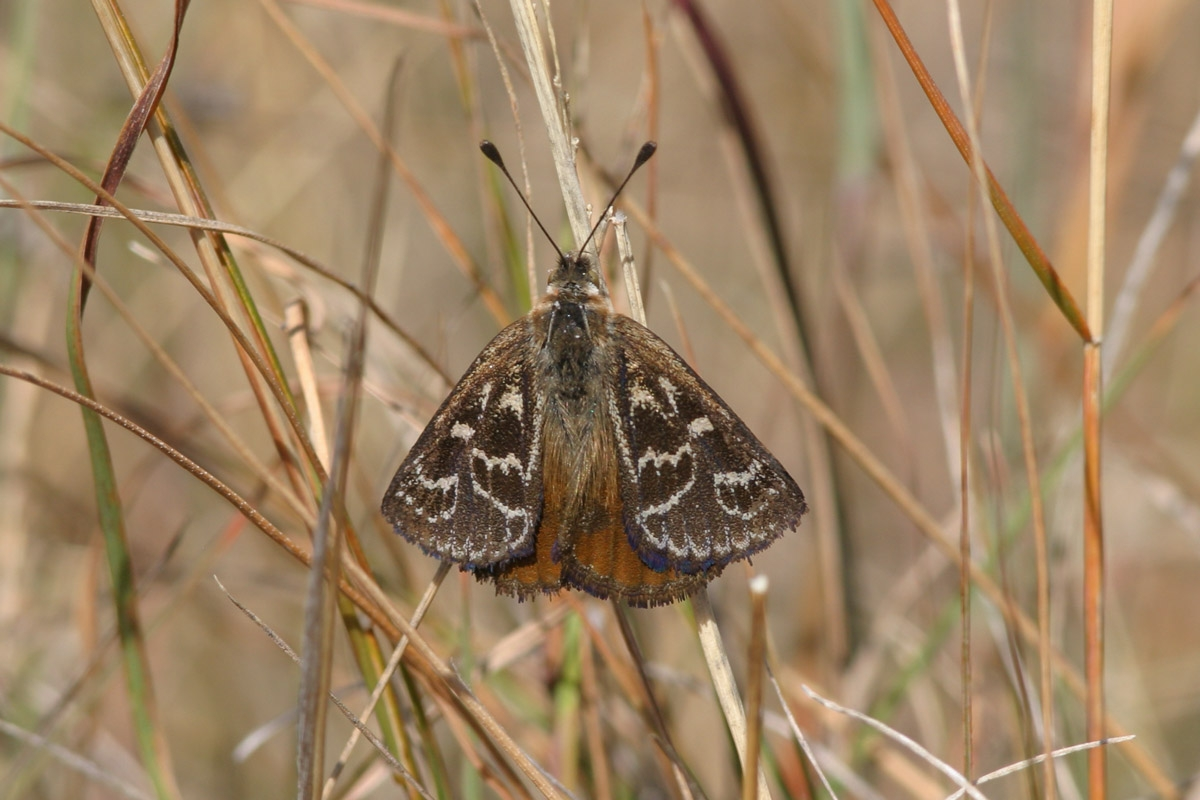

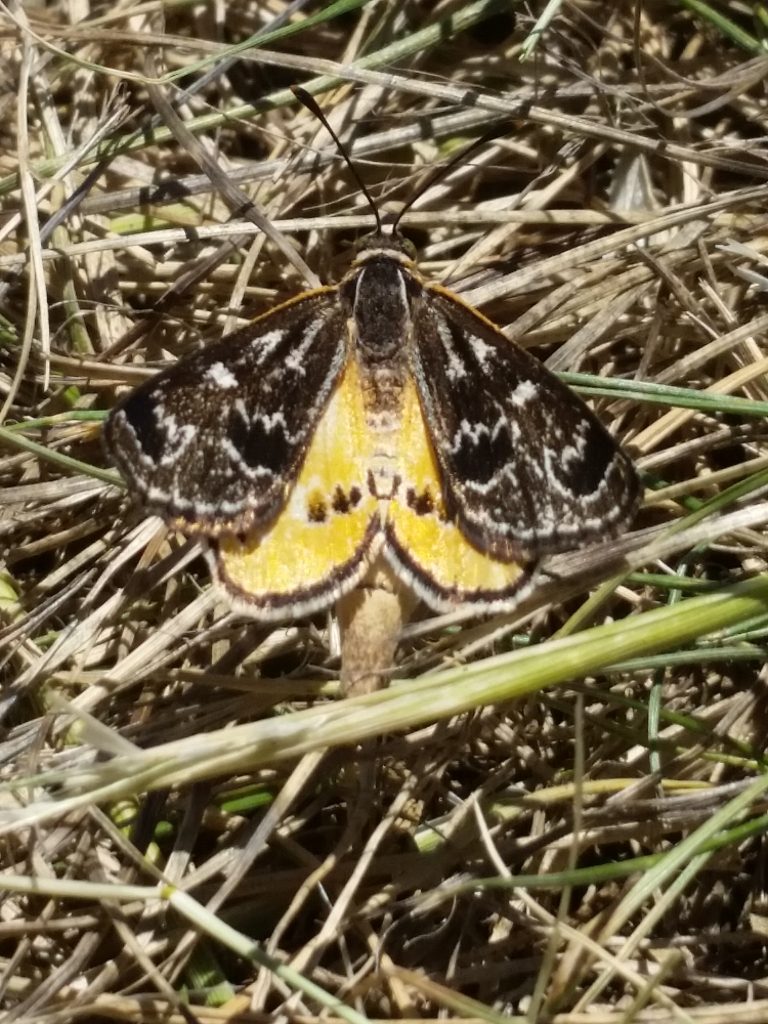
The Golden Sun Moth are an endangered species in Australia, appearing more often in summer.
Why do we conduct targeted species surveys in Spring and Summer?
Spring and summer are usually the best times to identify ‘hard-to-detect’ threatened flora and fauna species. After winter, many threatened native plants begin blooming again, making them easier to spot, particularly orchids. During these seasons, many native animals also become more active as they emerge to forage and reproduce.
Biosis are industry leaders in targeted threatened species surveys
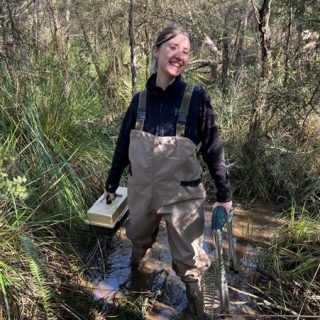
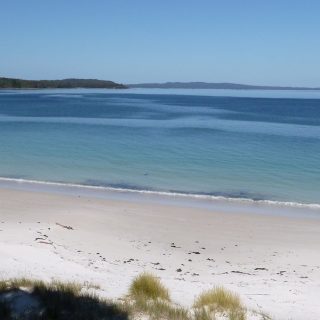
Biosis ecologists specialise in undertaking comprehensive threatened species surveys across terrestrial (on land), aquatic, coastal and offshore environments.
The list is long for both NSW and Victoria – with over 2000 flora and fauna species in Victoria listed as threatened.
We don’t look for all of them with every survey, targeted surveys look for very specific species that are likely to inhabit a project area.
Some of the species we often target in surveys across Victoria and NSW include
- Growling Grass Frog
- Matted Flax Lily
- Striped Legless Lizard
- Swamp Skink
- Spiny Rice Flower
- Golden Sun Moth
- Grassland Earless Dragon
- Yellow Bellied Glider
- Swift Parrot
- Little Whip Snake
- Beach Stone Curlews
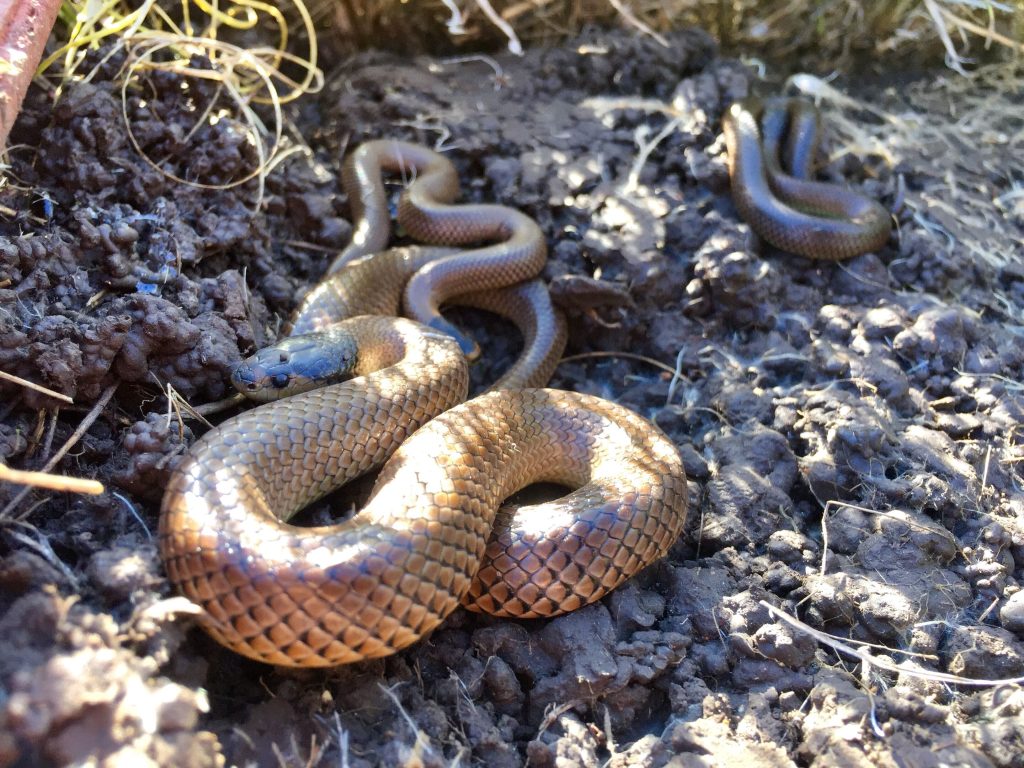
Female Little Whip Snake, Suta flagellum, with 2 juveniles found in a summer survey by Daniel Gilmore
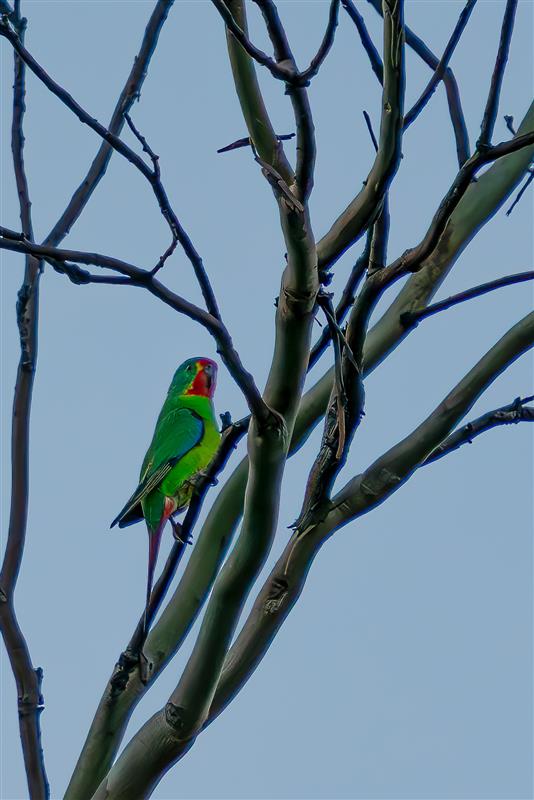
Swift Parrot observed by Biosis Senior Consultant Felicity Williams
Why Do Ecologists Need to do spring/summer surveys?
Spring and summer fauna and flora surveys are required for sites where habitat may be impacted, to understand how threatened species could be using that land and to meet regulatory requirements. Many surveys must be conducted within strict guidelines, using specific methods during certain months. If the survey window is missed during these seasons, project approval delays are likely. By integrating survey results into planning and design, Biosis assists clients in meeting regulatory obligations while improving our understanding of threatened species’ habitat use and biodiversity more broadly.
Why are targeted species surveys critical?
The purpose of targeted flora and fauna surveys is to identify the habitat values important to threatened species. This information allows further assessments to be made to avoid and minimise potential impacts, and our enables ecologists to provide input into development plans more effectively.
What methods do we use in targeted summer surveys?
Biosis will apply accepted state and national guidelines for targeted surveys and will develop tailored plans or methods to suit each site. This approach gives our ecologists the best chance of detecting threatened species. We use conservation dogs for koala habitat assessment, acoustic and thermal monitoring technology for bats, nocturnal spotlighting and call-playback surveys for hollow-dependent species such as threatened arboreal mammals and owls, timed-area bird surveys for parrots and woodland birds, and roof-tile surveys for reptiles.
Targeted surveys can be requested through our proposals page here.